
Click for Pre-Approval

Blog / Duncan Suzuki Service

Blog

All Duncan Suzuki Service Pulaski,VA Duncan Suzuki Pulaski Used Cars Pulaski VA Local Area Auto Service Pulaski Service Used Cars SUVs Family Activities Pulaski Dealer Trucks Auto Parts Chevrolet Ford Hyundai AC Repair Brake Repair Day Trips Diners Jeep Kia Lincoln Nissan RAM Asian Food Battery Replacement BBQ Joints Breakfast Places Burger Joints Cadillac Camping Sites Coffee Shops Colorado Dessert Engine Diagnostic Engine Repair Fall Activities Farmer's Market Fishing Spots GMC Golf Courses Headlight Replacement Honda Hummer Ice Cream Shops Ignition Coil Replacement Oil Change Outdoor Activities Radiator Repair Shopping Shopping Spots Sight Seeing Spring Service State Parks Subaru Summer Activities Thrift Shops Tire Replacement Tire Rotation Toyota Winter Activities

Car AC Not Working? Visit Your Local Used Car Dealer Today

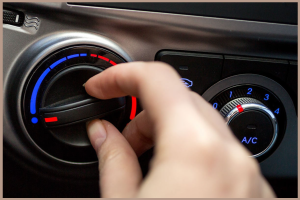
Is your car AC not working properly? If your air-con ever malfunctions, you'll usually need a technician at your local used car dealer to identify and repair the problem at once. After all, it can be difficult to enjoy driving during the hot months of summer without a nice cool cabin. Here are a few of the more common causes of a faulty AC system. Malfunctioning Compressor The compressor is the workhorse of any auto AC system. The compressor receives cool, low-pressure liquid refrigerant and compresses it into a hot, high-pressure gas. It then propels this gas along to the condenser. Compressors can sometimes suffer faults when left unused for long periods over winter. more Blocked or Broken Condenser As the hot gaseous refrigerant arrives from the compressor, the condenser turns it into a pressurized liquid and sends it along toward the evaporator. Condensers can sometimes become blocked by contaminants or damaged by external debris. As the condenser is usually situated at the front of the engine compartment, you can often raise your hood and visually inspect it for outward signs of damage. Evaporator Problems When refrigerant arrives at the evaporator, it's turned from liquid form into gas, absorbing heat as it does so. This process chills the walls of the evaporator, creating cold air which is blown into your car's cabin. Rather like the radiators in an engine's cooling system, evaporators have fins that can become clogged by debris flying in from the air vents. Evaporators can also sometimes corrode, or one of the seams or welds can fail. Cracked or Faulty Cooling Fans The cooling fans blast the cold air into the cabin and also draw air in from outside the car. If a cooling fan becomes cracked or blocked by something flying into the air vent, the rest of your AC may continue to function, but you won't be receiving cold air inside the cabin. Cooling fans can also sometimes experience electrical faults. Leaking Refrigerant One of the most common causes of car air-con issues is leaking refrigerant. It's possible for refrigerant to leak at many points around the rather complex AC system. Usually, a leak will be found at a hose connection. Refrigerant is a transparent, oily substance that's often difficult to spot. When you take your car in for repairs, the technician may use a special refrigerant dye that makes any leaks easy to see under ultraviolet light. They'll then properly seal the leak before topping up the refrigerant and testing the system. Have your malfunctioning air conditioner repaired today at Duncan Suzuki. Our full-service dealership has been servicing the Pulaski area for years high quality customer care and an excellent range of new and used vehicles.
Signs Your Local Car Dealer Needs to Look for a Faulty Ignition Coil

A car's ignition coil transforms your low voltage power into the thousands of volts needed to create an electric spark in the spark plugs, igniting the fuel. When this crucial part fails, your vehicle's performance can severely deteriorate, and fast. It's easy to overlook the signs of a problem: or just ignore those signs for a bit too long. However, paying attention to subtle changes in your car's behavior can really pay off in the long run. If you see signs of a faulty ignition coil, get it to your car dealer right away to prevent expensive repairs down the line. Difficulty Starting the Engine One of the earliest warning signs of a failing ignition coil is a problem with starting the engine. You might find that your car takes longer to start or doesn't start at all. A bad ignition coil fails to provide the necessary spark for combustion, hence the struggle to start the engine. This failure can result from wear and tear, improper voltage, or heat damage over time. more Stalling and Rough Idling Another sign to watch out for is engine stalling or rough idling, especially for manual transmissions. An ignition coil in decline can cause sporadic and uncontrolled sparks. These irregular sparks lead to incomplete fuel combustion, causing your engine to run unevenly, or idle roughly. You might notice the car stalling when you stop at traffic lights or while shifting gears. This symptom is attributable to the irregular sparks affecting the engine's RPM during gear changes. Reduced Fuel Efficiency You might observe a sudden drop in your car's fuel efficiency. This dip in fuel economy happens when a failing ignition coil causes incomplete combustion in the engine, leading to excessive fuel consumption. Your car has to work harder and consume more fuel to deliver the same level of performance. Engine Misfires Lastly, engine misfires are a telltale sign of a failing ignition coil. Misfires occur when one of the engine's cylinders doesn't function correctly, leading to erratic performance. An ignition coil that doesn't consistently deliver the right amount of voltage can cause this issue. The engine may run smoothly one moment and stumble the next, which can be particularly noticeable during acceleration. Difficulty starting the engine, stalling and rough idling, reduced fuel efficiency, and engine misfires are all indicators that something might be amiss with your ignition coil, and addressing these issues promptly can save you from potentially much higher repair costs and ensure a smooth and reliable ride. Come see us at Duncan Suzuki right away if you suspect anything is wrong with your ignition coil.

3 Electrical Problems You Should Always Fix at Your Local Used Car Dealer

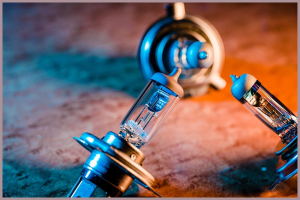
Electrical problems can cause serious problems for your car. All essential systems require electricity, and a failure in the electrical system can affect numerous other components. Your used car dealer has expert technicians who can diagnose and repair any problem. These are a few of the issues we can fix. Your Car Won't Start Starting your engine requires a powerful electrical charge. When you hit the start button, the battery sends an electrical charge to the starter solenoid. The solenoid receives this charge and passes it to the starter motor which cranks your engine. The cranking motion begins the combustion process, and your engine should start almost instantly. more If the engine doesn't start, you have an electrical problem. The issue could be caused by a battery problem, a starter motor problem, or an alternator problem. The alternator provides the electricity that's stored in the battery to power the starter. Loose or broken wiring, blown fuses, or a fault with the start button could also cause this problem. We'll investigate and fix the problem. Damaged Sensors Sensors are your computer's eyes and ears. A sensor is connected to each essential component in your car. The sensors monitor the activity of their attached components and report back to the computer. The computer uses this information to make decisions on the oxygen levels in your engine, the speed of coolant moving through the engine, and other essential activities. A sensor can wear out or become damaged, which leads to further problems. If the computer doesn't receive the information it needs from a sensor, it will have to guess. A failed oxygen sensor, for example, can result in your engine becoming fuel-rich as the computer can't calculate the level of air in the engine. We'll identify the damaged sensor and replace it. Blown Headlights Headlight bulbs, like light bulbs in your house, will eventually fail. The lifespan of a headlight bulb varies from 500 hours to 30,000 hours, depending on the type of bulb in your car. A bulb could blow due to age, but it can also fail due to a problem in the electrical system. Water in a headlight bulb socket, for example, can cause a short, and the bulb will blow. Alternator problems can also cause headlight bulbs to fail sooner than they should. Headlight bulbs are sensitive to fluctuations in the electrical system. A failing alternator will generate less power than it should. In this situation, the bulbs may receive only enough power to switch on. The lack of stable power will cause bulbs to blow faster than they should. Our technicians will examine the electrical system and repair the problem. Problems with an electrical system will only get worse over time. Call us today at Duncan Suzuki, and we'll fix the problem.

How Can You Find Quality Auto Parts?

Finding quality auto parts is vital in maintaining your vehicle's optimal performance and longevity. These automotive components, whether sourced directly or from a used car dealership, should be of high quality to ensure the safety and reliability of your vehicle. Our factory-trained technicians will discuss how you can effectively source quality vehicle parts to meet your automotive needs. When it comes to car maintenance or repairs, quality motor vehicle parts are non-negotiable. One reliable source of high-quality parts is authorized dealerships. But why are these dealerships trusted, and how can you effectively navigate your purchase with them? An authorized dealership boasts official recognition from an auto manufacturer. This recognition grants the dealership the right to sell the manufacturer's vehicles and spare parts. more One major advantage of this setup is the dealership's direct access to all Original Equipment Manufacturer's (OEM) parts. OEM parts are designed to fit and function seamlessly with the specific make and model of a vehicle. Therefore, when you purchase parts from an authorized dealership, you acquire components precisely designed for your car's needs. Identifying and Locating Authorized Dealerships Finding authorized dealerships is easier than it might sound. A simple way is to use the manufacturer's website. Most auto manufacturers have a “dealer locator” tool on their website that allows you to find authorized dealerships nearby. All you need to do is enter your location, and a list of the nearest authorized dealers will be displayed. While the dealership locator is a good starting point, it's wise to verify the dealership's authorization independently. You can do this by checking the dealership's website for authorization badges or logos from the manufacturer and cross-checking this information with the manufacturer. Navigating Your Purchase at Authorized Dealerships The pricing at authorized dealerships may seem a little steep compared to aftermarket parts. However, remember that you're not just paying for the part; you're also paying for the guarantee that comes with it. OEM parts are often accompanied by warranties that cover defects and performance issues. Communicating effectively with the staff at the dealership can make your buying experience smoother. Don't be afraid to ask questions about the part you need, its compatibility with your vehicle, warranty information, and any other concerns you might have. Can a Used Car Dealership Be a Good Source of Quality Parts? Despite the dealership focusing on used cars, it may also offer new, high-quality parts, especially if it's an authorized dealership. As mentioned earlier, the best way to determine if a used car dealer is authorized to perform service, maintenance, and sell parts is by directly checking with the auto manufacturer. At Duncan Suzuki, we take pride in being an authorized dealership endorsed by the manufacturer. Call Duncan Suzuki today for any inquiries or needs related to quality motor vehicle parts, service, and maintenance.

Advice From a Used Car Dealer: Preventative Maintenance We Can Perform

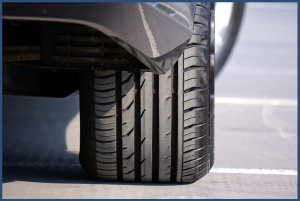
Preventative maintenance is important for any car, especially for an older vehicle. Maintenance involves regular checkups on various components to ensure they're in good working condition. This helps to prevent unnecessary damage and will protect your car for longer. As a used car dealer, we'd like to tell you about some types of maintenance we can perform and how they can protect your car. Battery Maintenance The battery is one of your car's most important components, as it provides the power that's used to start your engine. The battery stores DC in the form of chemical energy, and it does this via a complex series of chemical reactions. Over time, these reactions cause the chemicals to break down, and your battery will weaken and eventually fail. more On average, a battery's useful life is from 3 to 5 years, and then it will need replacement. A failing battery isn't immediately obvious, but as it becomes weaker, you'll experience dim lights, starting difficulties, and other problems. These issues can be prevented by regular battery checks. We connect your car's battery to our battery tester and we can rapidly determine if it's healthy. If your battery is failing, we can install a new one for you. Transmission Maintenance The transmission works with your engine to enable your car to move. It focuses the power generated by your engine and then transfers this focused energy to your car's wheels. After your engine, the transmission is the second most important part of your car. It's also one of the most difficult and potentially expensive components to repair if it fails. Transmission maintenance involves testing and replacing the transmission fluid regularly. This fluid provides numerous benefits including providing hydraulic power, reducing friction damage, and decreasing the transmission temperature. Tire Maintenance Your tires are the only part of your car in contact with the surface, and this contact will cause wear and damage. Your tire health can be affected by poor driving conditions, climatic factors, and objects on the road. In addition, rubber gradually wears down naturally and becomes less flexible. The lack of flexibility, combined with the heat generated as you drive, can cause cracks in the tires. Tires will also suffer due to their position on your car. We can reduce this type of wear by rotating your tires and shifting them from positions of greater wear to positions of lesser wear. This process helps your tires to all wear down at a similar rate. These are only a few of the maintenance tasks we can perform. If you'd like to know more about protecting your car, call us today at Duncan Suzuki.

Does Your Car Need Routine Brake Service?

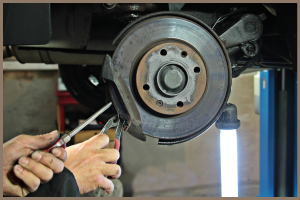
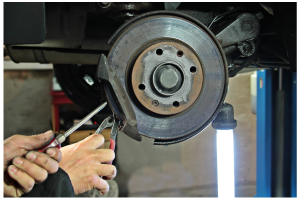
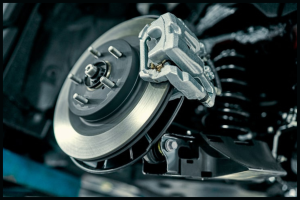
Brake failure while on the road is one of the greatest fears of any driver. Fortunately, you can almost certainly avoid this scary prospect with routine brake service. Not only does regular brake servicing keep you safer on the road, but it also provides many other driving benefits. Here are six solid reasons to have periodical brake servicing visits to your nearest used car dealer. You're Safer on the Road We'll begin with the most important benefit: having your brakes serviced twice a year helps ensure that potential problems are caught and fixed early on. Without regular brake servicing, small issues with your fluid, hoses, brake pads, rotors, or calipers can slowly worsen until you suddenly lose brake function altogether. more You Reduce the Costs of Major Repairs With your dental health, it's far better to have the dentist identify and repair a problem before it becomes something very painful and expensive to fix. It's the same with your brakes: the relatively minor cost of routine service visits greatly offsets the far more costly issues that can develop if left unattended. You See Problems Coming in Advance Whenever a technician takes a look at your brakes, they can inform you roughly how much longer your brake pads, fluid, and rotors will last. Knowing in advance when parts will need to be replaced can provide you with great peace of mind. Your Handling Is Improved The more often you have your brakes serviced, the more responsive they'll be. This provides far more control over your car, boosting your handling, safety, and pleasure of driving. You Improve Your Driving Habits Many drivers are unaware that they have poor driving habits, such as riding the brakes. Failing to adjust gears properly on steeper roads also puts more pressure on the brakes. When a technician regularly inspects your brakes and sees how rapidly they're wearing down, they can sometimes help you to understand if you have any such brake-heavy driving habits. Once you're aware of a bad habit, you can take steps to shake it off. You Boost Your Car's Resale Value Well-kept cars command a higher price on the second-hand markets. Most used car buyers will be delighted to find a car with brakes still in excellent condition, but this requires routine service visits. And be sure to save your documentation from those visits to prove that you had them. How a Car Dealer Services Your Brakes During a routine brake servicing visit, the technician will check your brake fluid and all the brake lines for signs of a leak. If necessary, they'll flush the fluid and bleed air from the brake lines. They'll raise your car to remove and inspect every inch of the brake pads, rotors, and calipers. Any worn or faulty parts will be repaired or replaced. And finally, your brakes will be tested extensively to make sure they're in tip-top condition. Have your brakes serviced today at Duncan Suzuki. For more than 20 years, we've been serving the region's drivers with excellent cars, customer service, and deals: our motto is “Pay Less in Pulaski.”

6 Qualities to Look for in an Auto Mechanic

When looking for a new mechanic, drivers sometimes worry about being over-serviced with poor-quality work. You can avoid this risk by knowing the signs of a technician you can trust to do a great job. Here are six key qualities to look out for in a auto mechanic when you next take your car in for servicing or repairs. You'll find all six of them and more at your local used car dealership. Experience Whatever the professional service you're looking for, whether it's baking, bookkeeping, home selling, or vehicle servicing, wouldn't you always want to hire the most experienced individuals possible? No matter how keen and qualified a mechanic is, when it comes to cars, nothing beats experience. more Look for dealerships that have been serving their local communities successfully for at least a couple of decades. The fact that they've been around for so long and are still going strong means they're doing things right and have earned repeat, long-term customers. Training Modern vehicles require up-to-date specialist equipment for the best servicing and repair work. Make sure your technician receives regular high-quality training to keep them abreast of changes. This training should, of course, cover every important car part and service type. This includes general automotive repair, preventative car maintenance, engine diagnostics, synthetic oil replacement, cooling system and radiator repair, brake maintenance and repair, and much more. Certification Whenever you visit a dealership, also check that the mechanics are fully certified, which is an additional assurance of quality work. The Automotive Service Excellence certificate is one industry standard to look out for. Communication If you aren't overly familiar with the inner workings of your vehicle, as is the case with most drivers, then the mechanic's communication skills matter a great deal too. They should be able to explain in clear and simple terms what the problem is. They should generally be friendly, personable, and easy to get along with. Call Your Local Used Car Dealership First Before visiting your local dealership, you can always reassure yourself with a quick call on the phone. They probably won't be able to diagnose a car's problem over the phone, but at least you'll quickly learn that they're courteous and professional with clear communication skills. Cost-Consciousness The best mechanics want happy long-term customers. This means always acting in your best long-term financial interests. This means focusing on helping you keep your car in excellent condition at minimal costs. A good mechanic will also let you know about upcoming future expenses you're likely to face, such as replacements of tiers and brake pads. Specialization Every car make and model is different. So you'll often find cost savings simply by hiring mechanics who specialize in your particular vehicle. A mechanic who primarily works on used vehicles has repaired your car model dozens, hundreds, perhaps even thousands of times before and will therefore be able to diagnose and fix issues far more efficiently than a generalist technician. To have your car serviced and repaired by experienced professionals today, visit Duncan Suzuki. Our certified mechanics and all our staff always put the customer first and have been doing so for over 20 years.

3 Engine Problems You Should Always Fix at Your Local Used Car Dealer

Engine problems can lead to serious, even permanent, engine damage. If your engine is malfunctioning, your local used car dealer can fix it for you. These are some of the problems our expertly-trained technicians can repair. Check Engine Light The check engine light can be the first indication a driver receives that something is wrong with their engine. Your vehicle has a vast network of sensors, and each sensor is attached to a vital component. These sensors continually feed information to your car's computer, which allows it to make decisions. The sensors also provide a warning of any problems with a component. more Sensors are capable of detecting even the smallest change in the behavior of their attached component, and they report this to your computer. The computer logs the information with an error code and then activates the check engine light. If this light is illuminated, we advise calling our service department ASAP so we can investigate and fix the problem. Worn Spark Plugs Your spark plug's job is to ignite the compressed air-fuel mix in the cylinders. Air and fuel mix in the intake manifold and this mixture is drawn into the cylinders. The fuel-air mix is compressed in the cylinder and ignited at a precise moment. The resulting explosion causes the cylinder to open and expel the combustion remnants, and the cycle starts again. Spark plugs gradually wear out due to age. They can also be damaged by the failure of other components, like the ignition coil or a blocked car air filter. A high fuel content in the fuel-air mix can also damage the plugs by coating them in a sticky carbon solution. Worn or damaged plugs will cause misfiring and potential damage to your engine. We can easily test the plugs and replace any worn or damaged ones. Damaged Belt Tensioner Several of the systems in your car, like the alternator, power steering, and AC compressor, are powered by the movement of the alternator belt. This belt connects to the crankshaft. As the crankshaft turns, the belt runs across a series of pulleys and causes them to spin. The spinning pulleys then provide power to the above systems. The belt must be maintained at exactly the right tension. A belt that's too loose could fall off or jam, while a belt that's too tight could snap. The belt tensioner keeps the alternator belt at the correct tension. If it fails, you might hear banging sounds as a loose belt flops around, or your car could stop it the belt snaps. We'll check the tensioner and replace it if it's failed. Don't risk engine damage, call us today at Duncan Suzuki.

Signs You Need a New Car Battery From Your Dealer

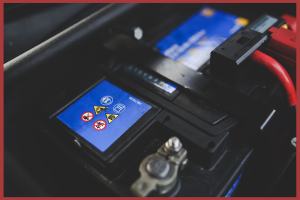
Your car depends on a healthy battery to start your engine. Over time your battery will slowly wear out and eventually fail. As your used car dealer, we can test your battery and replace it or repair any damaged components to ensure it's working correctly. We like you to know some signs that you'll probably need a new car battery soon. Your Battery Is Old A car battery usually works effectively for three to five years before it needs replacement. With good care, a battery can last for up to six years. Inevitably, your battery will age and start to fail. Battery failure is usually caused by the breakdown of chemicals inside the battery, but can also occur due to other worn or damaged components. more There are tell-tale signs that your battery is failing, including increasing difficulty in starting the engine and dim interior and headlights when your engine is switched off. These signs aren't definitive, and they can be caused by other issues. We recommend booking a battery check-up. We'll connect your battery to our battery tester and check its health. If it's failing, we can install a new one for you. Phantom Drain A phantom drain is a strange situation where your battery is working perfectly and then is almost dead. This situation usually occurs overnight when the engine is switched off. When your engine isn't running, the battery supplies power to all your devices, including the alarm, lights, and other accessories. These systems don't place a strain on a healthy battery. The phantom drain is caused by an electrical system that doesn't switch off when it should. The glove box and trunk lights are two of the main systems affected. These lights will remain on due to an electrical fault and will drain significant amounts of power in just a few hours. If you experienced a phantom drain, we'll trace the source of the drain and repair it to fix this problem. Rotten Egg Smell A nasty rotten egg smell from the engine usually means your battery is failing. A failing battery leads to the creation of hydrogen sulfide gas, which causes corrosion and hastens battery failure. It can also be due to a faulty alternator that provides too much power to your battery. The alternator is responsible for recharging your battery and usually does this very efficiently. A worn alternator could be supplying more power to the battery than it should. This additional power increases the temperature in the battery and causes the chemicals to boil. The boiling chemicals produce a harsh rotten egg smell. We'll examine your alternator and install a new one if necessary. If your battery is failing, call us right away at Duncan Suzuki! Our rigorously trained technicians will fix the problem!

Signs You Need a Radiator Repair at Your Used Car Dealer

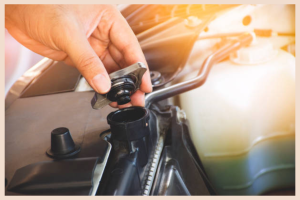
The radiator in your car, truck, or SUV has the important job of removing heat from your engine. If your engine gets too hot, it can overheat. The radiator is subject to high pressure and high temperature continually, which can lead to damage. Your local used car dealer can repair any problem with the radiator for you. These are signs you may need to see us for a radiator repair. Damages Radiator Cap The pressure inside the radiator can increase due to internal heat and the flow of hot coolant. The radiator cap monitors the pressure inside the radiator. If the pressure rises too high, the cap will open temporarily and bleed off the excess pressure. The cap is under high pressure and is securely attached to the radiator by two seals. more We routinely test these seals during your scheduled service. Over time, these seals can become loose or shrink and crack. Damaged seals will allow pressure and the hot coolant inside the radiator to escape. The loss of pressure and coolant two will reduce the effects of the cooling system, and your engine will start to overheat. We'll examine the seals for damage and replace them if necessary. Leaking Coolant Coolant is responsible for moving the engine heat into the radiator for cooling. It does this due to its unique ability to absorb heat. Coolant is pumped through the engine and absorbs heat radiating from the various engine components as it passes over them. The heat is transported to the radiator. Inside the radiator, the heat is removed by the action of airflow over the tubes filled with hot coolant. If you suspect a coolant leak, you can test for one by placing a sheet of cardboard underneath your car and leaving it overnight. When you examine the cardboard the next day, there's a coolant leak if you spot splashes of blue, pink, yellow, or green liquid on it. Leaking coolant can lead to a rapid rise in engine temperature. We'll trace the source of the leak to fix this problem. Bent Radiator Tubes The front of your radiator is composed of rows of thin aluminum tubes. These tubes are vital for the engine cooling process. The hot coolant pumped into your engine is dispersed into these tubes. This increases the surface area for cooling. The air flowing through the radiator grille passes over these tubes and cools the contents. The tubes are very delicate and easily damaged. Sand, grit, and other hard objects can dent or bend these tubes. As more tubes are damaged, your engine temperature will increase. We can't repair broken tubes, but we can install a new radiator for you. Don't risk your engine overheating. Call us today at Duncan Suzuki.

3 Signs You Need a Brake Repair at Your Local Dealer

Good, well-maintained brakes allow you to control your speed and stop in an instant. This can be vital, as a potential accident situation could occur at any time. Brake components can wear out through use, and you'll need a brake repair. Your Suzuki dealer in Pulaski, VA, can fix any braking issues for you. These are a few signs that your brakes need to be checked. Screeching Noises Your brake pads are an essential part of your braking system. They fit into the brake calipers and generate friction against the wheel rotors. This friction slows and stops the rotors. The pads have a thick friction material covering, but this covering wears down slightly each time you use your brakes. The material covering is 1/2" thick when the pad is new, and when it reaches 1/4" thickness it's time to change the pads. more The pads manufacturers build a warning into each pad by installing a metal spike. Once the pad drops to 1/4", this spike will scratch against the rotor and produce a loud screeching noise. When you hear a screeching noise, you know you need new pads ASAP. Weak Brake Pedal When you step on the brake pedal, you expect resistance. The harder your press on the pedal, the more resistance you'll encounter. This resistance is due to the pressure in the braking system. High pressure is essential, as your brakes have to slow and stop a vehicle weighing an average of 4,000 lbs that's moving at speed. If you encounter little resistance from the pedal, this is a worrying sign. It means that the pressure in the brake system is low. The possible causes of low pressure are a blockage in the system or a brake fluid leak. Air can cause a blockage and reduce the pressure in the system. Low brake pressure means that the brakes will take much longer to engage. Pulling to One Side If your Suzuki pulls to one side when you hit the brakes, part of your braking system has failed. This problem occurs when the brakes on only one side of your car engage. Your car automatically moves towards the side with the working brake. This failure can be dangerous, as turning to one side could potentially result in an accident if it happens unexpectedly. Pulling could mean a hydraulic failure, as the brake fluid isn't exerting pressure on the caliper. This problem could also be a mechanical failure as the relevant caliper may have failed. Our technicians will examine your braking system and find and fix the problem. Don't risk driving with a braking problem. Come and see us at Duncan Suzuki.

Signs You Need an Alternator Repair at Your Suzuki Dealer

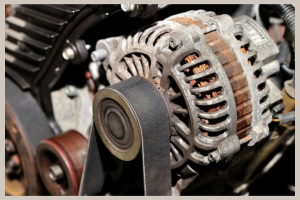
Your Suzuki's alternator has the vital job of supplying all of the power for your car's systems and devices. The alternator generates power by converting mechanical energy into electrical energy. Like any component, your alternator may eventually start to fail, and you'll need an alternator repair. In Pulaski, VA, your friendly Suzuki dealer can help you. These are signs that your alternator is failing. Burning Wiring The electricity produced by your alternator has to be transported throughout your car. This requires a large network of wires and cables that run through your engine. A car's engine is a very inhospitable place for wiring, as it's hot and subject to constant movement. The wiring is protected by thick plastic and rubber coverings, but wires can still get damaged. more In time, wires can fray or break. A broken or damaged wire will cut off electricity to one or more of your car's components. The lack of electricity will be noted by your car's computer. Your alternator will be ordered to supply more power, and this causes the wiring to heat up. As the wiring gets hotter, it can cause the rubber or plastic coverings to burn. A Dead Battery Your car's battery has a limited life, and if it's over five years old, it's probably worn out. If, however, you have a newer battery that runs down, the problem could be a worn alternator. As your alternator gets older, it produces less electricity. Eventually, your alternator won't be able to produce enough electricity for all of your car's systems and devices. The lack of power will also affect your battery, as the alternator is responsible for keeping it fully charged. A worn alternator won't be able to fully recharge your battery. Your battery will slowly grow weaker, and will eventually fail due to lack of recharging. Our technicians can your alternator, and we'll replace it if it's failing. Blown Alternator Fuse Your alternator, like any other electrical system, is controlled by a fuse. Fuses are designed to protect the component they're connected to from electrical faults by blowing. A fuse that blows will cut off power to the component it's responsible for. This protects the component from damage but switches it off until the fuse is replaced. If your alternator fuse blows, the alternator will shut down. When the alternator isn't working, your battery will have to supply power. A car battery isn't designed to supply all of your car's electrical needs, and this will cause it to fail. Most alternator problems can be quickly and easily fixed. If you suspect a problem with your alternator, call us at Duncan Suzuki.

Contact Us

Fill out this form below and we'll contact you shortly
*Required Fields