

Buying a used car is a big deal. You want dependability, value, and peace of mind when you drive away. At Duncan Suzuki in Pulaski, Virginia, we've helped many drivers make this choice — and our experience in the used car market helps us spot the best vehicles for every lifestyle and budget.
In this guide, we'll look at whether used Jeeps are reliable. We'll cover model comparisons, maintenance costs, how to inspect a vehicle, and why choosing a reputable dealer matters. By the end, you'll know exactly what to look for — and feel confident doing it.
Key Takeaways
Reliability varies significantly between Jeep models and model years, making research essential. Pre-owned Jeeps offer excellent off-road capability and strong resale value — but understanding maintenance costs, inspection red flags, and which models to target will protect your investment.
Whether you're drawn to the iconic Jeep Wrangler, the family-friendly Grand Cherokee, or a budget-friendly Compass, this guide will help you match the right Jeep to your needs. Visit our used Jeep inventory to explore quality options with transparent vehicle histories.
Understanding the Used Jeep Market
The used Jeep market is unlike any other. It combines heritage, capability, and brand loyalty in a way no other SUV can match. Knowing what drives this market helps you set realistic expectations and make smarter buying decisions.
The Enduring Appeal to Diverse Buyers
Jeeps have a loyal following across generations and demographics. Their reputation for ruggedness and adventure creates strong emotional bonds — and their heritage, dating back to World War II, adds authenticity that buyers genuinely value. Outdoor enthusiasts love their off-road prowess. Families enjoy the versatility and open-air feel. Young professionals and city dwellers are drawn to the distinctive styling, even if they never leave the pavement.
The Jeep community is also a major asset. Owners share tips, modifications, and maintenance recommendations online, giving buyers a deep support network that makes ownership more rewarding and more informed.
Resale Values and Pricing Dynamics
The used Jeep market holds its value exceptionally well. Models like the Wrangler retain 60–70% of their original value after three years — significantly better than most SUVs. Strong demand and limited supply drive these high resale values, which means buyers often pay a premium, but also recoup more when it's time to sell.
Seasonal trends also affect pricing. Demand peaks in spring and summer, while winter brings more interest in four-wheel-drive capability. Knowing these patterns can help you find better deals at the right time of year.
Distinctive Characteristics That Set Jeeps Apart
Jeeps prioritize capability over comfort — and that design philosophy shapes every aspect of ownership. Here's what makes them unique in the used market:
Body-on-Frame Construction
Wranglers use truck-based architecture for exceptional durability, though it affects ride quality compared to car-based crossovers
Removable Tops and Doors
An iconic open-air experience, but weatherproofing and seal condition are critical items to inspect on any used Jeep
Purpose-Built 4x4 Systems
Designed for true off-road use — not just slippery roads — which comes at the cost of on-road refinement and fuel economy
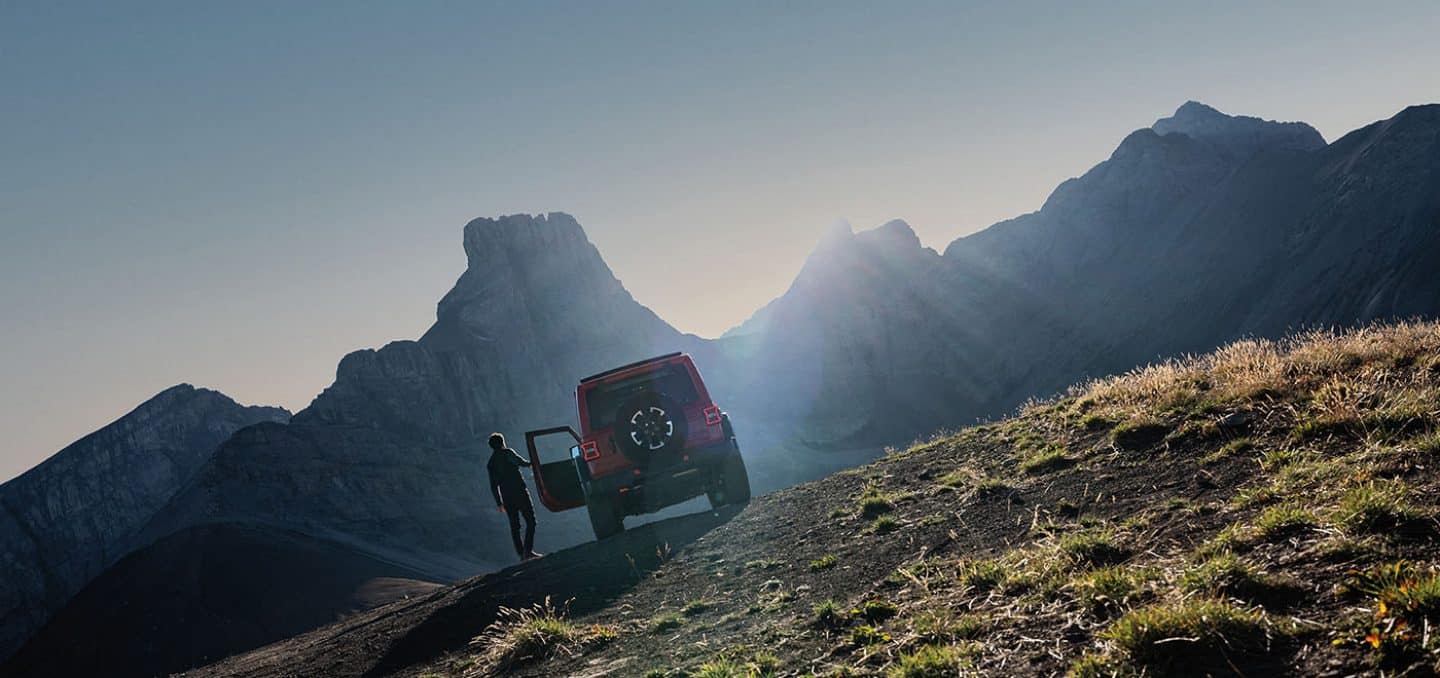
Duncan Suzuki in Pulaski, VA carries a carefully inspected selection of used Jeeps for every budget and lifestyle
Are Used Jeeps Reliable? The Truth About Dependability
Understanding used Jeep dependability means looking beyond reliability ratings. The answer to "are used Jeeps reliable?" varies significantly by model, model year, and — most importantly — how the vehicle was maintained. We'll break down what actually determines long-term dependability.
Reliability Ratings Across Different Jeep Models
Jeep reliability reviews show big differences between models. The Wrangler gets mixed ratings from consumer groups, but its simple body-on-frame construction makes it easier to repair and maintain. This straightforward engineering helps it last well beyond what ratings suggest when properly cared for.
The Grand Cherokee consistently scores better, thanks to refined engineering and quality interior construction. Models from 2011 onward — and especially 2014 and newer — show strong long-term performance. The Cherokee had some transmission concerns in 2014–2018 models, but later versions corrected these issues. The Compass and Patriot historically scored lower, though the redesigned 2017+ Compass is a notable improvement.
Real-World Longevity and Durability
Many Jeeps achieve impressive longevity with proper care. We've seen Wranglers with over 200,000 miles still running well. Grand Cherokee models also reach high mileage totals with correct maintenance — many owners report trouble-free operation well beyond 150,000 miles. Their purpose-built design, with solid axles, simple transfer cases, and proven engines, prioritizes repairability over complexity, which benefits long-term owners.
Key Factors That Influence Used Jeep Reliability
Used Jeep reliability depends more on a vehicle's individual history than its model reputation. Three key factors determine dependability — and evaluating all three together is essential for an accurate assessment.
Previous Owner Care
Maintenance history is the single most important factor. Complete service records indicate consistent care — gaps between services raise concerns about deferred maintenance
Model Year Considerations
Certain years are stronger within each Jeep line. Mid-cycle updates often bring reliability improvements worth targeting, without the higher cost of a full redesign
Mileage and Usage History
How a Jeep accumulated mileage matters as much as the total. Highway miles cause less wear than city driving, and off-road use varies widely by how well the vehicle was maintained afterward
Best Used Jeep Models for Different Budgets and Needs
Choosing the right used Jeep starts with knowing what each model offers. Your ideal choice depends on your driving habits, passenger needs, and budget. Some models are built for the trails; others are better suited for daily driving. Here's what to expect across the lineup.
Jeep Wrangler: The Legendary Off-Road Champion
The Wrangler is the most iconic Jeep — unmatched for off-road adventures, with removable tops and doors for a truly open-air experience. Two-door models handle extreme obstacles better, while four-door Unlimited versions offer more passenger and cargo space without sacrificing capability.
Wranglers hold their resale value better than nearly any other SUV. A five-year-old Wrangler often sells for 60–70% of its original price. Their timeless design and consistent demand keep values high across all model years.
For the best balance of features and value, we recommend targeting 2012–2018 JK generation Wranglers. These models refined early issues and added the reliable 3.6-liter Pentastar V6, electronic stability control, improved door sealing, and modern infotainment options. The newer JL generation (2018–present) offers more comfort and capability but commands a higher price.
Jeep Grand Cherokee: Premium Comfort and Performance
The Grand Cherokee combines rugged capability with a refined, near-luxury interior. It's the ideal choice for buyers who want off-road ability without sacrificing day-to-day comfort. Available Quadra-Lift air suspension adjusts ground clearance on demand, and premium leather interiors rival luxury brands at significantly lower prices after depreciation.
The WK2 generation (2011–2021) is far more reliable than earlier models, sharing a platform with Mercedes-Benz for improved build quality. The 3.6-liter V6 is very reliable and powerful enough for most drivers. The 5.7-liter Hemi V8 offers strong performance at reasonable maintenance costs. Avoid early EcoDiesel models due to emissions issues. Model years 2014 and newer feature refined transmissions and improved electronics.
Jeep Cherokee: The Versatile Daily Driver
The Cherokee (reintroduced in 2014) is a practical daily driver with respectable capability. It offers better fuel economy than the Wrangler or Grand Cherokee while maintaining a true four-wheel-drive system. Available Trailhawk trims add locking rear differentials and skid plates for moderate off-road use. We recommend 2019 and newer Cherokees — earlier models experienced transmission concerns that were addressed through software and mechanical updates in later years.
Jeep Compass and Patriot: Entry-Level Options
The Compass and Patriot are the most budget-friendly entry points into Jeep ownership. Pre-2017 models offer basic transportation at attractive prices but lack the refinement and capability of other Jeeps. The redesigned 2017-present Compass brings significant improvements in build quality, technology, and fuel economy — making it a legitimate consideration for buyers prioritizing affordability. Focus on well-maintained examples with complete service records, as lower purchase prices can lead to higher maintenance costs if the vehicle was neglected.
| Model | Best For | Recommended Years | Typical Value Retention |
|---|---|---|---|
| Wrangler | Off-road, adventure, open-air driving | 2012–2018 (JK) | 60–70% after 5 years |
| Grand Cherokee | Families, towing, comfort + capability | 2014–2021 (WK2) | Strong — above average |
| Cherokee | Daily driving, moderate off-road | 2019+ | Moderate |
| Compass (redesigned) | Budget buyers, urban driving | 2017+ | Lower — depreciates faster |
Common Issues Found in Used Jeeps and How to Spot Them
Knowing what to look for before you buy can save you thousands. The following issues are common in used Jeeps — and spotting them early gives you negotiating power or the confidence to walk away.
Electrical System and Electronics Concerns
Electrical problems are among the most frequent issues in used Jeeps. Dashboard warning lights that activate without reason, sensors that malfunction, and infotainment freezes can all signal deeper issues from corroded components or faulty modules. When inspecting a used Jeep, test every electrical feature: power windows, door locks, climate control, heated seats, and the infotainment system. Watch for dashboard lights that stay on after startup — these often indicate unresolved codes that sellers may not disclose.
Transmission and Drivetrain Problems to Watch For
Transmission issues are serious and expensive. Some Jeeps with the nine-speed automatic transmission shift poorly even with software updates. During your test drive, watch for rough, hesitant, or delayed shifts — and listen for unusual noises from the transmission or transfer case area. Test both 2WD and 4WD modes to confirm smooth engagement and disengagement. Check underneath for fluid leaks around the transmission and transfer case; active dripping is a repair-needed red flag.
Rust, Corrosion, and Body Integrity Issues
Rust is a significant concern with used Jeeps, particularly those from northern or coastal climates where road salt and humidity accelerate corrosion. Focus your inspection on these high-risk areas:
Frame Rails and Crossmembers
Get underneath and look for flaking metal or holes — surface rust may be acceptable, but structural deterioration is a deal-breaker
Rocker Panels and Door Hinges
Common rust spots, especially on Wranglers where doors are removed frequently — check hinges and lower door edges carefully
Interior Floor and Firewall
Jeeps without doors and tops are more exposed to moisture — check under carpet and around seat bases for hidden rust
Suspension and Steering Components
Suspension wear is common in Jeeps used for off-roading or high-mileage driving. Ball joints, tie rod ends, and control arm bushings wear faster than on typical passenger vehicles. Listen for clunking sounds over bumps and check for a loose or wandering steering feel. A professional inspection with the Jeep lifted is the most reliable way to evaluate these components — and findings give you leverage in price negotiations, since suspension repairs can add up quickly.
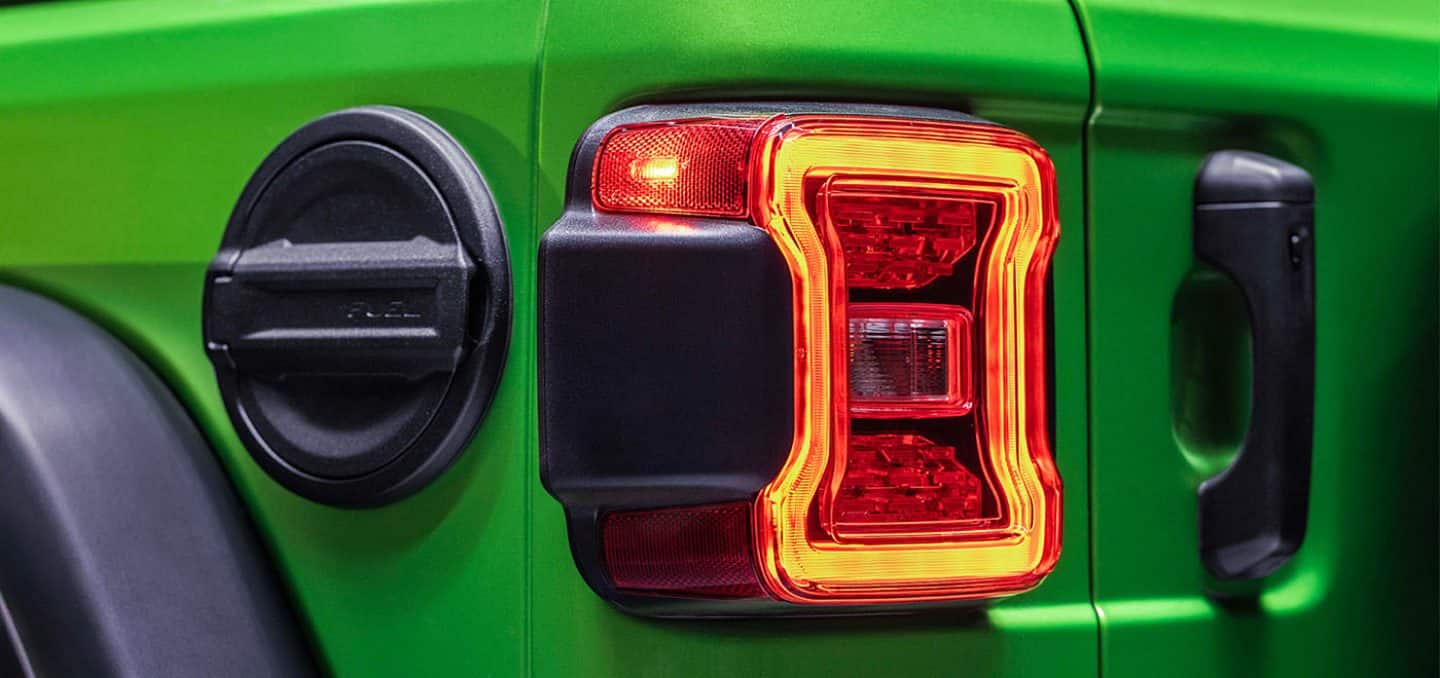
A thorough pre-purchase inspection is essential — Duncan Suzuki inspects every used Jeep before it reaches our lot
Maintenance Costs and Long-Term Ownership Expenses
The sticker price is just the beginning. Understanding total ownership costs helps you determine if a used Jeep fits your budget — not just today, but over the long haul.
Yearly Service and Repair Expenses
Jeeps typically run slightly above average for annual maintenance compared to other SUVs. Budget approximately $600 to $900 per year for routine care, covering oil changes ($50–$100), tire rotations ($20–$50), and brake pad replacements ($150–$300 per axle). Modified Jeeps with lift kits or oversized tires require more frequent alignments ($75–$150 each) and faster tire wear — quality all-terrain tires run $150–$300 each.
For major repairs, transmission work can cost $2,500–$4,500 depending on the model. Electrical system repairs range from $100 for minor sensor replacements to $1,000+ for complex issues. Planning for these possibilities upfront prevents sticker shock later.
Component Sourcing and Pricing Advantages
One of the biggest advantages of Jeep ownership is parts availability. The Jeep aftermarket is exceptionally strong — especially for Wranglers and Cherokees. Reputable brands like Mopar, Crown Automotive, and Omix-ADA offer parts at 20–40% below dealer pricing without sacrificing quality. Here's what to expect for common replacements:
| Component | Aftermarket Price | OEM Dealer Price |
|---|---|---|
| Brake Rotors and Pads (set) | $120–$250 | $200–$400 |
| Alternator | $150–$300 | $300–$500 |
| Water Pump | $80–$180 | $150–$300 |
| Oxygen Sensor | $40–$90 | $100–$200 |
Fuel Expenses and Efficiency Reality
Jeeps generally trail competitors in fuel economy — an important ongoing cost to factor in. Wranglers average 17–21 MPG combined in real-world driving, with lifted models dropping to 14–16 MPG. Grand Cherokees with the V6 return 19–23 MPG combined, V8 models 14–18 MPG, and the diesel variant an impressive 24–28 MPG. Cherokee and Compass models are the most economical at 23–28 MPG combined.
To estimate your annual fuel costs: divide your expected yearly mileage by the vehicle's combined MPG, then multiply by your local gas price. A Wrangler driven 12,000 miles per year at 18 MPG with $3.50/gallon fuel costs roughly $2,333 annually in fuel alone — factor this into your total budget from the start.
Complete Inspection Checklist for Buying a Used Jeep
A thorough inspection before you buy can protect you from costly surprises. At Duncan Suzuki, every used Jeep goes through a detailed inspection before we list it for sale. Whether you're shopping with us or elsewhere, use this checklist to evaluate any pre-owned Jeep with confidence.
Pre-Purchase Exterior and Frame Inspection
Walk around the Jeep in good light and look for inconsistent paint colors, misaligned panels, or uneven gaps that may indicate prior accident damage. Check door seals, window seals, and weatherstripping for cracks or gaps. Then get underneath and inspect the frame rails and crossmembers for rust — surface discoloration may be acceptable, but flaking or holes signal structural issues that should end the negotiation.
Inspect tire wear patterns across all four tires. Even wear indicates good maintenance and alignment. Uneven wear — particularly on inner or outer edges — points to alignment or suspension issues. Cupping or scalloping suggests worn shocks or struts.
Engine and Mechanical System Evaluation
Check every fluid with the engine cold, then again at operating temperature. Look for these warning signs:
Oil Condition
Milky or foamy oil suggests coolant contamination — a likely head gasket failure that is expensive to repair
Transmission Fluid
Dark or burnt-smelling fluid indicates transmission stress or neglected service intervals — a significant concern
Exhaust Smoke
Blue smoke means oil burning; white smoke signals coolant in the combustion chamber; black smoke points to fuel system problems
Interior Components and Electronics Testing
Test every electrical feature systematically: power windows, door locks, mirrors, seat adjusters, sunroof or removable top mechanisms, air conditioning, heater, and the full infotainment system. No warning lights should remain illuminated after startup. Climate control repairs can be expensive — a malfunctioning compressor alone is a costly fix — so don't skip this step.
Comprehensive Test Drive Evaluation
Plan a test drive of at least 15–20 minutes covering city streets, highway speeds, and rough surfaces if possible. Accelerate firmly from a stop to check for smooth power delivery and clean transmission shifts. Brake at various speeds and listen for grinding or squealing. At highway speeds, the Jeep should track straight without constant steering corrections.
Don't Skip the 4WD Test
The four-wheel drive system is one of the most expensive components to repair on any Jeep. Always engage both 4WD High and 4WD Low during your test drive and confirm smooth operation. If a seller hesitates to let you test the 4WD system, treat that as a significant red flag.
The Critical Importance of Maintenance Records and Vehicle History
Complete documentation is just as important as the test drive. Maintenance records and vehicle history reports reveal the story behind what you see — and at Duncan Suzuki, we provide full transparency on every used Jeep we sell.
Understanding Service History Documentation
Complete maintenance records show patterns of consistent care and confirm that important services were performed on schedule. When reviewing records, look for regular oil changes every 3,000–5,000 miles, transmission fluid services, coolant flushes, brake replacements, and documentation of any major repairs. Gaps in service history aren't always deal-breakers, but they warrant a more thorough mechanical inspection.
Reading Vehicle History Reports
Services like Carfax and AutoCheck compile data from multiple sources to reveal what sellers may not disclose. When reviewing a history report, focus on these key points:
Ownership History
Fewer previous owners typically means more consistent care — a one- or two-owner Jeep is generally preferable to one with many transfers
Accident and Title Status
Look for a clean title without salvage or rebuilt designations — any major collision reports affecting structural integrity are serious concerns
Odometer Consistency
Mileage readings should show a logical, steady increase — gaps or decreases in reported mileage suggest tampering
Any seller who refuses to share vehicle history or allow a pre-purchase inspection is hiding something. At Duncan Suzuki, we provide complete vehicle history reports and maintenance records on every used Jeep because we have nothing to hide.
Advantages of Certified Pre-Owned Programs
Certified pre-owned Jeeps offer a strong middle ground between new and used. CPO vehicles pass detailed multi-point inspections and often include warranties, roadside assistance, and loaner vehicle programs. While they carry a modest price premium, the added peace of mind and protection frequently make them worth the investment — especially for buyers who want confidence without new-car pricing.
Finding Quality Used Jeeps at Duncan Suzuki in Pulaski, VA
Looking for a reliable used Jeep in the Roanoke and Pulaski area? Duncan Suzuki is here to help. We focus on quality, transparency, and your long-term satisfaction — because buying a used vehicle is a big decision, and we treat it that way.
Our Carefully Selected Used Jeep Inventory
We're selective about the Jeeps we carry. Our inventory includes Wranglers for off-road enthusiasts, Grand Cherokees for families, Cherokees for daily drivers, and entry-level Jeeps for first-time buyers. Every vehicle goes through a thorough inspection covering engine, transmission, brakes, suspension, and electronics before we list it for sale — and any needed repairs are completed so you drive away in a vehicle that's ready to go.
Why Choose Duncan Suzuki for Your Next Jeep
Thorough Inspection Process
Certified technicians check every major system before a Jeep reaches our lot — no surprises after you drive away
Transparent Vehicle History
We provide full Carfax reports and available maintenance records on every used Jeep — complete openness, every time
Competitive Pricing and Financing
Fair market-based pricing and financing options for a wide range of credit situations — because everyone deserves a quality used Jeep
Visit us at 1001 East Main Street, Pulaski, VA 24301, call us at (540) 440-5859, or browse our full used Jeep inventory online with detailed photos, specs, pricing, and vehicle history for every vehicle on our lot.
Ready to Find Your Used Jeep?
So, are used Jeeps reliable? Yes — if you pick the right model, target the right model years, and buy from a dealership that stands behind every vehicle it sells. The reliability of a pre-owned Jeep depends on its maintenance history, condition, and how well it's been inspected before purchase.
At Duncan Suzuki, we make the process straightforward. Our inventory is thoroughly vetted, our vehicle histories are fully transparent, and our team is here to match you with the right Jeep for your budget and lifestyle. Whether you're drawn to a used Wrangler, a Grand Cherokee, or a Cherokee for daily driving, your next adventure starts here.
Come see us at 1001 East Main Street in Pulaski, VA, or call (540) 440-5859 to speak with a knowledgeable member of our team.