
Click for Pre-Approval

Blog / Duncan Suzuki Service

Blog

All Duncan Suzuki Service Pulaski,VA Duncan Suzuki Pulaski Used Cars Pulaski VA Local Area Auto Service Pulaski Service Used Cars SUVs Family Activities Pulaski Dealer Trucks Auto Parts Chevrolet Ford Hyundai AC Repair Brake Repair Day Trips Diners Jeep Kia Lincoln Nissan RAM Asian Food Battery Replacement BBQ Joints Breakfast Places Burger Joints Cadillac Camping Sites Coffee Shops Colorado Dessert Engine Diagnostic Engine Repair Fall Activities Farmer's Market Fishing Spots GMC Golf Courses Headlight Replacement Honda Hummer Ice Cream Shops Ignition Coil Replacement Oil Change Outdoor Activities Radiator Repair Shopping Shopping Spots Sight Seeing Spring Service State Parks Subaru Summer Activities Thrift Shops Tire Replacement Tire Rotation Toyota Winter Activities

Spring Auto Services To Prepare Your Car For Warmer Weather

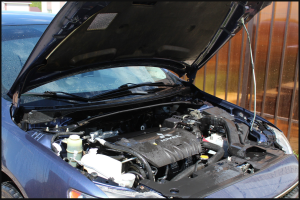
Changing weather can be really tough on your car. Whether it's pollen and allergens clogging your air filter or cold weather tearing up your windshield wipers, there are countless effects the changing of the seasons can have on your vehicle. That's why it's important to bring your car in for some seasonal maintenance. Here at Duncan Suzuki, we're prepared to get your vehicle back on the road and ready to tackle the current road conditions. Here are some auto services we recommend as we transition into the Spring. Replace Your Car's Air Filter As pollen and other allergens fill the air, your car's air filter will be put under more stress than usual. When your cabin air filter isn't changed often enough, the allergens can clog or even damage the air filter. With this dust and debris building up in your air filter, that pesky pollen can start to circulate in your car, lowering the air quality and even making it harder to keep your engine cool. To keep clean air flowing through your car and engine, don't wait to replace your air filter. more Make Sure Your A/C Is Functioning Properly With Summer right around the corner, you don't want to wait on checking your A/C. A car's A/C is the most reliable way to regulate the temperature of the cabin. Whether you need hot air in the freezing Winter or cool air for the blazing Summers, your A/C will keep you at a healthy and comfortable temperature. You don't want to find yourself sweating on the way to your auto service appointment, so get your A/C checked now. Replace Your Windshield Wiper Blades Did you ever need to wipe ice off your windshield during the Winter? Or even just some snow? The cold months can be extremely harsh on your windshield wipers, wearing down the rubber of the blades, making them less effective in wiping water, snow, and other elements from your windshield. Since, we're heading into Spring, rain is going to be more common than ever. Don't let yourself end up with faulty or ineffective wiper blades, because driving in harsh weather conditions without a way to reliably maintain visibility is dangerous for both your passengers and other drivers alike. Check Your Tire Pressure Tire pressure tends to fluctuate heavily due to changing temperatures. This means your tire pressure can begin to drop too much as the Spring and Summer heat comes around. Low tire pressure can cause a variety of problems for your vehicle. Not only does low pressure increase the likely-hood of tire failure, but it also decreases your vehicle's fuel efficiency, handling, and even lessens the life span of your tires. If you're looking to maximize your control on the road, definitely consider getting your tires checked. There are plenty of other auto services your car can take advantage of to prepare for Spring. These are just some of the few we recommend. To learn more about important Spring auto services, or the services we can provide, visit Duncan Suzuki's site. We will give you an informed and transparent diagnosis of your car's current condition and help you get back on the road as soon as possible.

Necessary Used Car Maintenance in Pulaski, VA

Buying a used car in Pulaski, VA? Smart move! To get the most out of your investment, though, you need to take care of it. Regular used car maintenance can help your ride to run efficiently for as long as possible. Regular Oil Changes Oil changes are the best thing you can do for your car, hands down. Oil cushions the moving parts of your engine. This reduces friction and helps to keep the engine cool. Unfortunately, oil doesn't last forever. As you drive, it breaks down and collects dirt and debris. This cleaning is great for your engine, but the oil gets less effective. Not sure how often to change it? Your car needs fresh oil every 5,000 to 7,500 miles. more Tire Maintenance Regular tire maintenance includes checking your tire pressure, performing rotations, and keeping an eye on your tread depth. Making sure your tires are properly inflated and rotating them regularly helps prevent them from wearing out too soon. You should check out your tires at least once a month to verify that the pressure is correct and glance at the depth of your tread. Stick a penny in the tire tread with Lincoln upside-down. If you can see the top of his head, you need new tires. Brake Inspections Brakes are one of the most important safety features of any vehicle. Brake pads, rotors, and other components wear down with use and eventually need to be replaced. Listen for any unusual sounds like grinding or squeaking, and be mindful of changes in braking performance. Have your brakes inspected at least once a year, or sooner if you notice issues. Fluid Checks and Replacements Your oil isn't the only fluid that needs to be checked and replaced. Transmission fluid, coolant, brake fluid, and power steering fluid all degrade over time and can cause serious issues if not replaced. Battery Care Car batteries typically last three to five years, so you might need a new one before you know it. Take a peek under the hood from time to time to look for problems like corrosion or a bloated battery case. When you bring your car in for service, we can test it to make sure that it holds a charge. Fresh Air Filters Replacing the engine and cabin air filters is an often-overlooked maintenance task, but it impacts both comfort and performance. A clean engine air filter ensures that your engine is getting all the air it needs to operate efficiently. The cabin air filter improves the quality of air inside your car. Want to keep your used car running well for years? Prioritize routine maintenance! By getting a handle on small issues before they become big problems, you can save money on repairs and keep your car dependable. Call Duncan Suzuki in Pulaski, VA, to schedule your next maintenance appointment today.

3 Services Offered by Duncan Suzuki in Pulaski, VA

Your car is a great piece of automotive engineering, and it needs regular services to enable it to work at its best. At Duncan Suzuki in Pulaski, VA, we have Expertly-trained technicians, OEM-approved parts, and state-of-the-art technology to keep your vehicle in perfect shape. We want to tell you about a few of the services we offer. Tire Maintenance Tires wear down naturally due to surface friction, but they suffer additional and avoidable damage due to incorrect balance, poor wheel alignment, or lack of rotation. As your dealer, we can correct any or all of these issues for you. Rotating our tires involves shifting each tire to a new position, which equalizes wear and increases tire life. more Wheel balance changes over time as you drive, and a wheel that isn't balanced at the center will wear out faster. We attach your wheels to our wheel balancing machine. This machine identifies any imbalance, and we'll add weights to the tire to correct this. Wheel alignment is corrected by connecting your wheels to our alignment machine, which carefully adjusts each wheel to its correct alignment. Properly aligned wheels cause less tire damage. Radiator Flush The radiator's job is to remove heat produced by the engine. Coolant moves through the engine at high speed, absorbing heat as it moves. The coolant's journey ends at the radiator, where it enters rows of horizontal tubes. Airflow flows through the grille and over the tubes to remove the heat. Coolant becomes slower as it ages and can turn corrosive, leading to engine damage. Our technicians will drain the old coolant, then add new coolant mixed with a conditioner. This mixture is circulated through the engine to remove any trace of the old coolant. Once the system has been flushed, we drain this mixture and refill your engine with new coolant. Oil Replacement Oil is pumped through your engine and lubricates all its moving parts. Lubrication is vital, as many engine components depend on friction to work effectively, and a lack of oil will cause excessive wear and tear on engine components. The swift-moving oil helps reduce the engine temperature, and its additives provide additional benefits like rust reduction and reduce the build-up of engine deposits. Like all other fluids, your oil needs regular replacement. Older oll becomes less effective, leading to increased wear and tear on your engine. We'll drain the old oil, then replace the oil filter to ensure oil can flow freely. We then refill your engine with regular or synthetic oil, depending on your vehicle model or personal preference. These are just a few ways we increase your car, truck, or SUV's lifespan and reduce your repair costs. We also offer a range of specials on our services. Contact us today at Duncan Suzuki in Pulaski, VA.

Does Your Used Auto Need a Collision Repair?

If you've been in an accident, then you may need to visit a collision repair shop. Fortunately, a body shop that specializes in repairing vehicles after collisions can restore your used auto to its previous condition. Your auto body repair shop may offer a warranty or guarantee on your repairs as well. After an accident, your vehicle may have broken windows, scratched paint, or a dented framework. Even minor damage from collisions can have a huge impact on the overall health of your car. If you don't repair these issues quickly, you risk more serious damage from rust and corrosion in the future. Additionally, fast repairs after a collision will ensure your vehicle is safe to drive. The most common repair needs after an accident include: more Dents Dents after an accident can form on virtually every area of your car, such as the bumper and body panel. For minor dents, a repair shop can suction out the dent and fix the protective paint layer. For major dents, it might be necessary to replace the entire panel or bumper. Significant damage from a collision can dent the framework of your vehicle, which may require framework straightening. Paint Paint damage such as chips, scuffs, and scratches may seem like small cosmetic issues, but damage to your paint can be a serious concern. If you leave paint damage unrepaired, you might expose the frame of your car to water, which can cause rust in the future. Correcting paint damage can be as simple as buffing out a scratch and reapplying the protective coating, or it can be as complex as removing and replacing the paint completely. Headlights The headlights of your vehicle might have been damaged during your accident. It's important for headlights to be swiftly repaired since these lights, like brake lights and taillights, are critical safety components of your vehicle. Headlights should be repaired at a collision center since the wiring of your lights will need to be assessed before bulbs are replaced. Glass Glass is another common repair need. It's common for windshields and windows to be cracked or shattered from the impact of a collision. Glass replacement is usually a simple repair that calls for bonding the glass or replacing the glass completely. What Is the Repair Process? The repair process starts with a thorough examination of all the visible and hidden damage your vehicle has sustained after an accident. From there, the repair shop will give you an estimate for the repair costs, which will include the cost of repair parts. Next, your vehicle will be prepped for repairs, bodywork will be completed, and paint will be reapplied to finish your repairs. It's better to have your car repaired quickly so you can get back on the road. Contact Duncan Suzuki to get a repair estimate today.

Does Your Car Need a New Car Air Filter?

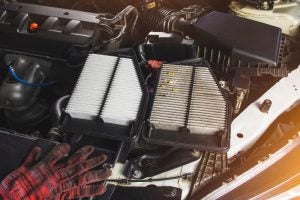
When a car starts experiencing engine problems, few people think to check their car air filter. But this relatively simple car part has a large impact on how a car's engine performs, especially if the filter becomes clogged up. Below are the most common signs that an engine's air filter might need to be replaced. You can have a new filter quickly installed at your local used car dealership. Misfiring Engine The combustion chambers inside your car's engine need a steady supply of fresh oxygen to mix with the fuel. If a clogged air filter restricts this inflow of air, the fuel-air mixture becomes unbalanced. This leads to a build-up of excess unburned fuel inside the chambers, which eventually starts to coat the spark plugs in sooty residue. These fouled spark plugs start to misfire, causing the engine to sputter and shake and struggle to perform. more Reduced Acceleration As a result of this misfiring, your engine will rapidly lose power. You'll find it reacting sluggishly when you step on the gas. This might cause problems when you're trying to overtake another car or cross a busy intersection. Falling Gas Mileage When an engine is starved of oxygen because of a clogged filter, it will continue burning through fuel only less efficiently. This means you'll be stopping for gas more often and watching your weekly fuel expenditure steadily rise. Black Exhaust Smoke The excess fuel that a clogged filter causes to build inside the combustion chambers can begin to escape through the exhaust pipes. In the intense heat of the exhaust system, this fuel might combust, causing backfiring. It might also ignite partially, causing black smoke to emerge from behind your car. Check Engine Light Fortunately, the various engine issues caused by a clogged air filter will almost always trigger the check engine light to appear on your instrument panel. It's best not to ignore this warning light; have a technician take a look without delay. Filthy-Looking Filter If you suspect that your air filter might be causing problems, pop the hood to inspect it. Be sure to check in between the filter's pleats. If there are significant dark patches of congealed dirt and grime, you probably need a new filter. Replace Your Filter at Your Local Used Car Dealer Most of the time, air filters will last about a year. If you've been using the same filter for this long or longer, consider visiting your nearest dealership for a new one. If you regularly use particularly dusty roads, or you drive daily in heavy traffic with lots of airborne contaminants, you might need to replace your filter more frequently than this. Have your air filter inspected and replaced today at Duncan Suzuki. We're been diligently serving the region's drivers with top-notch vehicles, deals, and customer service for over 20 years.

Squeaking Brakes? Visit Your Used Car Dealer Today

Squeaking brakes can be scary. You might even think that your brakes are about to fail. This noise is disturbing, but you're not in immediate danger. This noise does, however, mean there's a problem that has to be fixed. As your used car dealer in Pulaski, VA, we want to tell you some of the issues that can cause this noise and how we can fix the problem for you. Worn Brake Pads Brake pads are small components in your brake system that allow your car to stop quickly and easily. The pads fit into the wheel calipers, and they have a thick friction material covering. When you hit the brakes, the calipers are forced against the rotors. The brake pad's friction coverings generate friction against the smooth rotors, and this brings your wheels to a stop. more Each time you brake, some of the friction material covering wears off. When a pad has lost most of this covering, a metal spike becomes visible in the remaining material. The next time you brake, the spike will scratch against the rotor and produce a squealing or squeaking noise. When you hear this sound, it's time to visit us for new pads. Once the pads are replaced, the noise will cease. Moisture on the Pads Squeaking noises from your brakes early in the morning might not be a problem. Rain or snow overnight, or early morning humidity can cause moisture to build up on the rotors. The rotors are the smooth metal disks located behind your wheels. The moisture can cause a thin layer of rust to build up on the rotors. If this has happened, the friction material on the pads will grind against the rust layer and make a squeaking noise when you brake. It will make a similar sound to the door in your house with the slightly rusted hinges that you keep meaning to oil. If the squeaking persists, our technicians need to examine your rotors. They could have a more serious case of rust that we need to remove to fix this problem. Fast Braking If you often have to ride your brakes, for example driving down a winding road, or if you repeatedly brake fast, this can cause a change in your brake pads. In both these situations, your brake pads are kept in contact with the rotors for prolonged periods. This can make the pads develop a smooth, glass-like surface, which is known as glazing. A glazed pad is dangerous, as it doesn't provide the friction necessary to stop the rotor. When a glazed pad connects with the rotor, it makes a squeaking noise. We'll examine your pads and replace any glazed ones. We can fix that annoying squeaking sound. Visit our service department today at Duncan Suzuki.

5 Benefits of Getting OEM Parts From Your Local Used Car Dealer

When it comes to maintaining the integrity and performance of your car, your choice of replacement parts will make a big difference. At Duncan Suzuki, we always advocate for the use of Original Equipment Manufacturer (OEM) parts in all auto repairs. OEM parts, designed and manufactured specifically for different vehicle models, offer numerous benefits that aftermarket parts simply can't match. Contact your used car dealer to order the genuine parts you need. Exact Fit and Compatibility One of the foremost advantages of using genuine parts is their guaranteed fit and compatibility. These parts are identical to the ones your car was originally built with, ensuring a perfect match. This precision eliminates the guesswork and potential complications that might arise with aftermarket parts, which may not always align perfectly with your vehicle's specifications. more Maintaining Vehicle Performance and Efficiency Original parts are engineered to meet a given make's stringent quality standards, and this ensures that your vehicle continues to perform at its best. By using these parts, you maintain the performance of your car as intended by the manufacturer. This means smoother rides, optimal fuel efficiency, and reliable performance. Preserving Vehicle Value Another key benefit of using original parts is the preservation of your vehicle's resale value. Cars repaired with genuine OEM parts are often more attractive to potential buyers, as they have some assurance that the vehicle has been maintained to factory standards. This can be a significant advantage when it comes time to sell or trade in your car, truck, or SUV. Warranty Compliance Using original parts ensures you stay in compliance with your vehicle's warranty. While you're not always required to use original parts for every repair, if you use a cheaper after-market part and it causes damage to other parts or fails when it shouldn't have, you could easily void your warranty, even if the issue would otherwise have been covered. By choosing genuine parts, you protect your warranty, providing peace of mind that your vehicle is covered in case of any manufacturer-related issues. Reliable Quality and Durability Genuine parts are made with the same materials and go through the same rigorous testing as the parts originally installed in your vehicle. This means they are highly reliable and durable, which means less likelihood of a premature failure. This reliability is not just reassuring but also cost-effective in the long run, as it minimizes the need for frequent replacements. At Duncan Suzuki, we are committed to offering the best for your vehicle, and that includes genuine, OEM replacement parts in auto repairs. Their perfect fit, consistency with our high standards, value preservation, warranty compliance, and exceptional durability make them the right choice. For all your parts and repair needs, contact us at Duncan Suzuki right away.

4 Car Maintenance Tips to Keep Your Vehicle in Great Shape for Years

A well-maintained car can last for many years, run without a hitch, and sell for a decent chunk of change when it's time to move on and get your next vehicle. Visiting your local used car dealership for regular car maintenance is the number one thing you need to do to keep the car in good health. We'd love to share our top tips regarding maintenance to help keep your car in great condition. 1. Visit Your Local Dealership at the First Sign of Trouble It's easy to put off getting repairs if your car still seems to be running well. This is especially true if the only issue seems to be that the car is making a funny noise. However, you should always head to the dealership as soon as you hear, see, or smell something strange regarding your car. Getting repairs early keeps the car running better for longer and prevents time-consuming, costly repairs down the line. more 2. Keep the Exterior in Great Shape If your car's paintwork is damaged, then the part of the car with paint damage becomes susceptible to rust. The chassis and underside can be susceptible to rust, too. Regularly visually inspect the car and get all paint and body damage repaired as soon as you can. Not only will it stop your car from rusting, but it'll also make sure your car looks great and sells for more when it's time to trade in. 3. Keep the Fluids Topped Off Your car is full of fluids. Coolant, motor oil, transmission fluid, and brake fluid are just a few examples of vital fluids in the vehicle. Check all of your fluid levels every couple of weeks and visit the dealer for regular fluid top-offs. Each fluid plays an essential role, and having enough of it in your car keeps all systems running at their best. Some car fluids need to be fully changed out regularly, too, so be sure to keep on top of that. 4. Keep the Tires in Good Condition Tires should always be in good condition for your safety and to prolong the life of your car. Unevenly worn down tires can cause excess vibration that damages the suspension system and makes all rides uncomfortable. Get regular tire rotations and replace all four tires at least every six years. Be sure to maintain proper tire pressure, repair all punctures ASAP, and always replace your tires if you notice cracks or bulges in the side wall. Visit Duncan Suzuki for all of your preventative maintenance needs.

Does Your Vehicle Need New Headlights From Your Local Used Car Dealer?

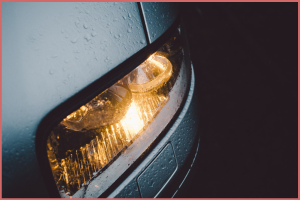
Just like most other lightbulbs, vehicle headlights burn out occasionally. Standard headlights usually last about five years, which means most vehicles will need a replacement at some point. But how can you tell when your vehicle needs new headlights from your local used car dealer? There are several warning signs you can watch for. Your Lights Are Unresponsive If your lights refuse to come on, your bulbs may have burned out, or you may have a wiring issue. It's not safe to drive without headlights, so unresponsive lights are a sign that your vehicle needs immediate service attention. One of our factory-trained technicians can check out your headlights and perform the appropriate repair. more If you need new lights, it's smart to have both lights replaced at the same time. The lights on your vehicle are usually about the same age, so if one has failed, the other is probably not far behind. Having both replaced can save you a trip back to our service department when the other light goes out. You Frequently Need To Replace Your Bulbs If your headlights need to be replaced regularly, or more than every few years, there may be damaged sockets or loose connections that need to be repaired. The problem may not have to do with the bulbs themselves, but with the infrastructure that supports the bulbs. We can inspect your lights and determine the problem. You See Damage to the Headlight Lens Your headlights are protected by clear plastic lenses that are designed to be long-lasting but are still susceptible to damage. Collisions, road debris, and wear and tear can cause cracks in the lenses, allowing moisture into the lights and diminishing their brightness and clarity. If you see visible signs of damage to the lenses on your light, you may need a new pair of lights. Your Lights Are Dim or Discolored Do your lights seem a little dimmer than before, or have they taken on a yellowish appearance? These may be signs that you need a new set of lights, but it could also be a sign that the lenses on your current lights simply need a good scrub. Dirt and grime can build up on the lenses, affecting the brightness and color of your lights. Lenses that are damaged are especially vulnerable to the accumulation of debris.  Our service department can remove your lenses for cleaning, and replace your lights if necessary. Working lights are essential to the safe operation of your vehicle, so be alert to any signs that they may be failing. And when it's time to schedule your next service appointment or order the headlights you need, be sure to call Duncan Suzuki.

5 Things You Can Learn During an Engine Diagnostic From Your Local Car Dealer

You should get an engine diagnostic from your local car dealer annually or every 12,000 miles to assess the condition of the engine and other crucial systems. This comprehensive test can provide valuable insights into hidden problems and save you money on costly repairs. Let's look at a few important things you can learn from the diagnostic test. more 1. Hidden Engine Issues A diagnostic test detects serious engine issues not noticeable through visible signs or standard tests. For example, a compression test may show cylinder pressure is within the normal range, but a scan can reveal a faulty camshaft position sensor that could cause engine failure. Scans can also uncover knock sensor issues before major engine damage occurs. If your "check engine" light comes on, and you can't pinpoint the problem, a diagnostic test can help. With the accurate results from the test, you will be able to perform immediate repairs and save yourself from an emergency breakdown. 2.  Faults in the Braking System Braking system issues tend to develop slowly over time. Without a diagnostic, worn brake pads, contaminated brake fluid, or minor ABS sensor issues can go undetected until sudden brake failure. Getting regular scans on your car as part of routine maintenance can help detect these problems early. This prevents dangerous braking loss, accidents, and costly repairs. 3. Transmission Problems A diagnostic test can quickly pinpoint transmission issues with vague symptoms. Is the hard shifting in your vehicle caused by faulty solenoids or worn clutches? Are the gear slips from low fluid or a bad sensor? Instead of wasting time on guesswork, you can use a diagnostic test to reveal the exact cause of transmission problems. This promotes quick, accurate repairs and allows you to get back on the road quicker. 4. Causes for a Failed Emissions Test Has your car recently failed an emissions test with no clear reason? If so, a diagnostic test can reveal the exact causes. The test can detect a faulty oxygen sensor that may be providing inaccurate readings to the computer and causing high hydrocarbon levels. It can also detect a leaking evaporative emissions system valve that's causing vapor leaks. Before you take another emissions test, get a comprehensive diagnostic test and fix the faults in your emission control system. 5. Estimated Cost of Repairs Nothing is more frustrating than being slapped with a huge car repair bill you hadn't prepared for. A diagnostic test unearths all issues in your vehicle, not just the pressing ones. It gives you a full picture of worn components and systems in poor condition, allowing you to budget and plan for future repairs accordingly. A diagnostic test can provide valuable insight into issues with your vehicle and prevent major breakdowns and costly repairs. Contact Duncan Suzuki to schedule a diagnostic test for your car, truck, or SUV's engine and other crucial systems.

4 Benefits of Getting a Tire Rotation at Your Local Car Dealer

Regularly rotating your tires is an essential part of maintaining a safe vehicle. This brief service appointment also ensures a smooth and comfortable ride. There are a lot of reasons why routinely booking a tire rotation at your local car dealer is a smart idea. more 1. It Will Extend the Life of Your Tires Regularly rotating your tires ensures that the treads are wearing evenly. It also extends the life of your tires, which saves you money because you don't have to replace them as frequently. The front tires of any vehicle tend to take the biggest beating, and routinely rotating the position of the tires on the car spreads out that wear and tear. When your tires are rotated, the rear tires are typically moved to the front, and the front tires are moved back. 2. It Will Keep Your Vehicle Safer Your vehicle is safer and better able to grip the road when your tire treads are evenly worn. Uneven wear on your treads can also contribute to bigger problems. Severely uneven treads can create differences in the size of your tires, which can ultimately impact your vehicle's suspension, brakes, or wheel bearings. Regularly rotating your tires ensures the safety of your vehicle and everyone riding in it. It can also extend the life of your vehicle. Rotating your tires every 5,000 to 7,500 miles is a good rule of thumb. 3. It Will Make Driving More Comfortable Tires that are worn unevenly can cause your vehicle to vibrate or make a lot of noise when driven. Rotating your vehicles can correct those issues and give you a smooth and comfortable ride. A vehicle that has properly rotated tires is also easier to steer and navigate. You'll feel more in control behind the wheel if your tires have been rotated and are wearing evenly. 4. It Will Improve Your Vehicle's Fuel Efficiency Driving on tires that are unevenly worn uses extra fuel. That's because uneven tire treads create extra resistance when the vehicle is on the road. When your tires have been rotated, your vehicle will function more efficiently, and you'll be able to drive further between gas tank fill-ups. The boost in fuel efficiency is another example of how regular rotations can save you money in the long run. If you can't remember when the tires on your vehicle were last rotated, it's probably time to check in with the service department at your local dealership and schedule an appointment. When you're ready to have your tires rotated, call Duncan Suzuki.

Do You Need New Tires From Your Local Car Dealer?

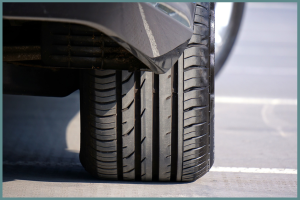
Navigating the roads with confidence starts with knowing you have good tires. If you're pondering whether your car, truck, or SUV needs tires, you're taking a step in the right direction. Here are some signs that you might need to visit your local dealer for new tires. Tread Depth The most straightforward way to assess tire health is to examine the tread depth. A common method is the penny test. Insert a penny with Lincoln's head facing down into the tread. If the entirety of his head remains visible, the tread depth is below 2/32 inch, and it's time to replace your tire. more Uneven Wear Patterns Uneven wear indicates that there might be an issue with your vehicle's alignment, suspension, or even with the tire itself. Look for patterns such as cupping, patchy wear, or feathering. Any of these suggest that the tire isn't contacting the road uniformly, which can compromise safety and efficiency. Frequent Loss of Pressure If you find yourself needing to refill your tires with air more frequently than usual, it may be indicative of small punctures or leaks. While occasional air top-ups are normal, consistently low tire pressure could signify a larger issue. Sidewall Cracks The sidewall of your tire can provide a lot of information about its health. Tiny cracks may start appearing on the sidewall, which can eventually grow larger. This breakdown compromises the structural integrity of the tire and increases the risk of a failure. Sidewall Bulges Bulges or blisters on the sidewall are typically caused when the internal frame of the tire is damaged, allowing air pressure to reach the outer layers of the tire. The result is a protruding bubble. Driving with a bulging tire is dangerous, as it's a weak spot under high internal pressure. This spot can burst, leading to sudden loss of control at higher speeds. Excessive Vibration While some vibration is normal, especially on poorly paved roads, if your vehicle starts to shake more than usual, it could be an indication of an internal problem with the tire. It might be a misalignment issue, or a tire could be damaged from the inside. Age of the Tires Tires, even if rarely used, have a natural life span. Rubber degrades over time, and this process can be accelerated by factors like heat, sunlight exposure, and temperature changes from summer to winter and back again. Generally, it's recommended to consider tire replacement every six years, regardless of their appearance. Your vehicle deserves the utmost care to ensure safety and optimal performance. Contact Duncan Suzuki today for tires if you're noticing any signs that your old ones are on the way out.

Contact Us

Fill out this form below and we'll contact you shortly
*Required Fields