Click for Pre-Approval

Blog / Duncan Suzuki Service

Does Your Vehicle Need a Transmission Repair?

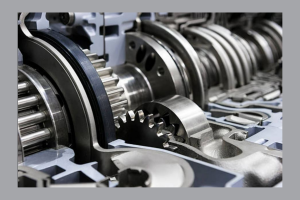
Your transmission suffers more wear and tear than any other part of your vehicle. The transmission operates under conditions of great heat and friction due to the hundreds of moving parts inside it. Any of these parts can wear out or break and will need to be replaced. We can help you when you need a transmission repair, and these are some of the signs to watch for.

Shaking and Grinding

Your transmission should shift gears smoothly and easily, regardless of whether you or your transmission control shift them. Grinding and shaking are signs of a transmission problem. The first sign of a problem with an automatic transmission is a slight difficulty when the computer shifts gears. This shaking feeling will become more jarring over time. A manual transmission produces a grinding feeling when you shift gears. If the grinding continues when you press the clutch and shift the gear, it can also be a sign that there's damage to the clutch or gear synchronizers. Our technicians will examine your transmission, and find and fix the cause of the problem.

Transmission Leak

The transmission is filled with fluid, which lubricates the hundreds of working parts in the transmission. The fluid also reduces the temperature and provides hydraulic power to make gear shifting easier. Without this fluid, your transmission would very quickly overheat and suffer serious damage. Transmission fluid is bright red and turns a darker red as it ages and it has a sweet smell. A pool of this liquid on the ground means there's a transmission leak. The most common sources of leaks are from the seals, lines, or the transmission pump. There are seals in different parts of the transmission, and age and heat can crack one or more of the seals, and fluid will leak out. Fluid is carried throughout the transmission by steel and aluminum lines. These lines can suffer damage over time, and a small crack can cause a fluid leak. Finally, the transmission pump can get damaged and also leak.

Difficulty Shifting Gears

Another obvious sign of a transmission problem is a slow response in shifting gears. In an automatic transmission, you'll notice a delay between when the transmission computer shifts gears and when the gear engages. In time, this delay will become more noticeable. A manual transmission will show your RPMs as running higher than necessary for the speed you're traveling. Two of the most common reasons for difficulty in shifting are a lack of transmission fluid or a blocked transmission filter. Low transmission fluid will make gear shifting more difficult due to the reduced hydraulic force available. A blocked transmission filter will reduce the flow of the fluid and delay gear shifting. Many drivers worry as soon as they suspect a transmission problem. Transmission problems have a reputation for being very expensive. Early action to fix a problem can save you money. Call us at Duncan Suzuki, and our skilled technicians will repair the problem.

Posted in:

Related Posts

6 Qualities to Look for in an Auto Mechanic

When looking for a new mechanic, drivers sometimes worry about being over-serviced with poor-quality work. You can avoid this risk by knowing the signs of a technician you can trust to do a great job. Here are six key qualities to look out for in a auto mechanic when you next take your car in for servicing or repairs. You'll find all six of them and more at your local used car dealership. Experience Whatever the professional service you're looking for, whether it's baking, bookkeeping, home selling, or vehicle servicing, wouldn't you always want to hire the most experienced individuals possible? No matter how keen and qualified a mechanic is, when it comes to cars, nothing beats experience. more Look for dealerships that have been serving their local communities successfully for at least a couple of decades. The fact that they've been around for so long and are still going strong means they're doing things right and have earned repeat, long-term customers. Training Modern vehicles require up-to-date specialist equipment for the best servicing and repair work. Make sure your technician receives regular high-quality training to keep them abreast of changes. This training should, of course, cover every important car part and service type. This includes general automotive repair, preventative car maintenance, engine diagnostics, synthetic oil replacement, cooling system and radiator repair, brake maintenance and repair, and much more. Certification Whenever you visit a dealership, also check that the mechanics are fully certified, which is an additional assurance of quality work. The Automotive Service Excellence certificate is one industry standard to look out for. Communication If you aren't overly familiar with the inner workings of your vehicle, as is the case with most drivers, then the mechanic's communication skills matter a great deal too. They should be able to explain in clear and simple terms what the problem is. They should generally be friendly, personable, and easy to get along with. Call Your Local Used Car Dealership First Before visiting your local dealership, you can always reassure yourself with a quick call on the phone. They probably won't be able to diagnose a car's problem over the phone, but at least you'll quickly learn that they're courteous and professional with clear communication skills. Cost-Consciousness The best mechanics want happy long-term customers. This means always acting in your best long-term financial interests. This means focusing on helping you keep your car in excellent condition at minimal costs. A good mechanic will also let you know about upcoming future expenses you're likely to face, such as replacements of tiers and brake pads. Specialization Every car make and model is different. So you'll often find cost savings simply by hiring mechanics who specialize in your particular vehicle. A mechanic who primarily works on used vehicles has repaired your car model dozens, hundreds, perhaps even thousands of times before and will therefore be able to diagnose and fix issues far more efficiently than a generalist technician. To have your car serviced and repaired by experienced professionals today, visit Duncan Suzuki. Our certified mechanics and all our staff always put the customer first and have been doing so for over 20 years.

3 Signs You Need a Brake Repair at Your Local Dealer

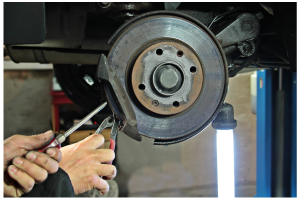
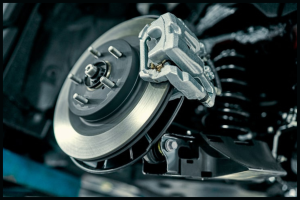
Good, well-maintained brakes allow you to control your speed and stop in an instant. This can be vital, as a potential accident situation could occur at any time. Brake components can wear out through use, and you'll need a brake repair. Your Suzuki dealer in Pulaski, VA, can fix any braking issues for you. These are a few signs that your brakes need to be checked. Screeching Noises Your brake pads are an essential part of your braking system. They fit into the brake calipers and generate friction against the wheel rotors. This friction slows and stops the rotors. The pads have a thick friction material covering, but this covering wears down slightly each time you use your brakes. The material covering is 1/2" thick when the pad is new, and when it reaches 1/4" thickness it's time to change the pads. more The pads manufacturers build a warning into each pad by installing a metal spike. Once the pad drops to 1/4", this spike will scratch against the rotor and produce a loud screeching noise. When you hear a screeching noise, you know you need new pads ASAP. Weak Brake Pedal When you step on the brake pedal, you expect resistance. The harder your press on the pedal, the more resistance you'll encounter. This resistance is due to the pressure in the braking system. High pressure is essential, as your brakes have to slow and stop a vehicle weighing an average of 4,000 lbs that's moving at speed. If you encounter little resistance from the pedal, this is a worrying sign. It means that the pressure in the brake system is low. The possible causes of low pressure are a blockage in the system or a brake fluid leak. Air can cause a blockage and reduce the pressure in the system. Low brake pressure means that the brakes will take much longer to engage. Pulling to One Side If your Suzuki pulls to one side when you hit the brakes, part of your braking system has failed. This problem occurs when the brakes on only one side of your car engage. Your car automatically moves towards the side with the working brake. This failure can be dangerous, as turning to one side could potentially result in an accident if it happens unexpectedly. Pulling could mean a hydraulic failure, as the brake fluid isn't exerting pressure on the caliper. This problem could also be a mechanical failure as the relevant caliper may have failed. Our technicians will examine your braking system and find and fix the problem. Don't risk driving with a braking problem. Come and see us at Duncan Suzuki.

Signs You Need an Alternator Repair at Your Suzuki Dealer

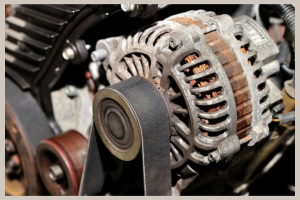
Your Suzuki's alternator has the vital job of supplying all of the power for your car's systems and devices. The alternator generates power by converting mechanical energy into electrical energy. Like any component, your alternator may eventually start to fail, and you'll need an alternator repair. In Pulaski, VA, your friendly Suzuki dealer can help you. These are signs that your alternator is failing. Burning Wiring The electricity produced by your alternator has to be transported throughout your car. This requires a large network of wires and cables that run through your engine. A car's engine is a very inhospitable place for wiring, as it's hot and subject to constant movement. The wiring is protected by thick plastic and rubber coverings, but wires can still get damaged. more In time, wires can fray or break. A broken or damaged wire will cut off electricity to one or more of your car's components. The lack of electricity will be noted by your car's computer. Your alternator will be ordered to supply more power, and this causes the wiring to heat up. As the wiring gets hotter, it can cause the rubber or plastic coverings to burn. A Dead Battery Your car's battery has a limited life, and if it's over five years old, it's probably worn out. If, however, you have a newer battery that runs down, the problem could be a worn alternator. As your alternator gets older, it produces less electricity. Eventually, your alternator won't be able to produce enough electricity for all of your car's systems and devices. The lack of power will also affect your battery, as the alternator is responsible for keeping it fully charged. A worn alternator won't be able to fully recharge your battery. Your battery will slowly grow weaker, and will eventually fail due to lack of recharging. Our technicians can your alternator, and we'll replace it if it's failing. Blown Alternator Fuse Your alternator, like any other electrical system, is controlled by a fuse. Fuses are designed to protect the component they're connected to from electrical faults by blowing. A fuse that blows will cut off power to the component it's responsible for. This protects the component from damage but switches it off until the fuse is replaced. If your alternator fuse blows, the alternator will shut down. When the alternator isn't working, your battery will have to supply power. A car battery isn't designed to supply all of your car's electrical needs, and this will cause it to fail. Most alternator problems can be quickly and easily fixed. If you suspect a problem with your alternator, call us at Duncan Suzuki.