

Looking for a used car is more than just picking a model. Timing your purchase can save you thousands of dollars and help you find the best deals. Knowing when dealerships offer their best prices is key to making a smart choice.
At Duncan Suzuki, we serve customers in the Roanoke and Pulaski area. Our team knows what Virginia drivers need and the local car market. We're here to help you find the perfect car at the best time for your budget and lifestyle.
Quick Answer
The best times to buy a used car are the last week of December, end-of-month periods, and during winter months (January-February). Strategic timing can save you $1,500 to $4,000 on your purchase.
This guide will show you how to time your car purchase in Virginia. You'll learn about seasonal sales, monthly deals, holiday specials, and local market trends. We'll share tips on when to find the newest inventory and when dealers are most willing to negotiate. For more advice, check out our used car buying tips.
Why Timing Matters When Purchasing a Used Vehicle
Knowing when to buy can save you a lot of money. At Duncan Suzuki, we've seen customers save $1,500 to $4,000 by timing their purchases right. We share this knowledge to help you make the best choice.
The car market has cycles that help smart shoppers find deals. By timing your purchase with these cycles, you're likely to get a better deal.
Strategic Buying and Your Budget
Finding the best time to buy a used car is not just luck. It's about knowing how prices change throughout the year. This change is due to many factors like manufacturer incentives and seasonal demand. When you combine good timing with choosing reliable used vehicles, you maximize your investment.
For example, a three-year-old sedan might cost $18,500 in spring. But in winter, when dealerships are eager to sell, it could be $16,200. This $2,300 difference can save you about $2,700 over 60 months, including interest.
Inventory Aging Works in Your Favor
The longer a vehicle sits on the lot, the more flexible pricing becomes
Manufacturer Incentives
When automakers offer dealer bonuses for volume, those savings can pass to you
Year-End Tax Considerations
Dealerships want to close books with lower inventory values, creating December advantages
Understanding Dealer Operations
Dealerships face financial pressures that create opportunities for deals. They have monthly sales goals that affect their relationships with manufacturers and lenders. As the month ends, they become more willing to negotiate.
Dealers also clear inventory at the end of each quarter. This means vehicles that have been on the lot for 60 to 90 days are more likely to be discounted. At Duncan Suzuki, we track these cycles closely to help you understand when you have the most negotiating power.

Understanding seasonal patterns helps you find the best deals on quality used vehicles
Best Time to Buy Used Car: Seasonal Opportunities Throughout the Year
The year has four key times for smart used car shoppers in Roanoke and Pulaski. Each season has its own market trends. Weather, buyer habits, and when dealerships restock all play a part.
Cold Weather Creates Warm Deals (January-February)
January and February are great for winter car buying advantages. Fewer people shop in the cold, giving you more power to negotiate. Dealerships want to clear out old stock after the holidays.
Lower Buyer Traffic
Means more attention from sales staff and better negotiating leverage
End-of-Year Inventory
Needs to be cleared for spring, creating pricing flexibility
Sales Quotas Reset
January quota resets boost dealership motivation to make deals
Renewal Season Brings Fresh Options (Spring)
Spring changes the used car market in big ways. Tax refund season, from February to April, brings both opportunities and challenges. Many people get refunds and start looking for cars, which means more competition but also more inventory through trade-ins.
Spring also sees a big influx of off-lease cars. Manufacturers and dealerships deal with lease returns as new models come out. These cars usually have low mileage and full maintenance records.
Upgrade Cycles Create Summer and Fall Opportunities
Summer and fall are trade-in season peaks in Virginia. Families upgrade for the school year, creating a steady flow of quality used vehicles. Dealerships also get ready for new models in late summer, offering discounts on current models to make room.
August and September are especially good times to shop. Back-to-school shopping meets model year changes, leading to many trade-ins and competitive pricing.
End of Month Car Deals and Quarterly Sales Pressures
The calendar on your wall is more than just dates—it's a tool that can save you thousands on your next used vehicle. Dealerships have predictable sales cycles that create opportunities for smart buyers.
How Sales Targets Drive Dealership Behavior
Dealerships have monthly and quarterly sales targets set by manufacturers. These targets are tied to significant financial incentives. Sales managers track progress daily, and as the month ends, the urgency grows.
| Timing Period | Pressure Level | Best Days to Shop | Potential Savings |
|---|---|---|---|
| Mid-Month | Low | Any day | Standard pricing |
| Last Week of Month | High | Thursday-Saturday | $500-$1,500 |
| Quarter-End (Mar, Jun, Sep, Dec) | Very High | Final 5-7 days | $1,000-$2,500 |
| Year-End (December) | Maximum | Dec 26-31 | $1,500-$4,000 |
Maximizing Your Leverage in the Final Seven Days
The last week of any month is the best time to negotiate. The best days to visit are the final Thursday through Saturday. Dealerships want to close deals before the weekend ends.
When you shop during this window, be ready to buy immediately—your ability to close today makes you valuable to quota-chasing dealerships. Do your research first, know the fair market value, and remain respectful but firm in negotiations.
Compounded Urgency During Fiscal Quarter Endings
Every month-end offers a chance to save, but March, June, September, and December are especially good. These months have both monthly and quarterly pressures, creating the year's best pricing opportunities.
Pro Tip from Duncan Suzuki
December is particularly powerful—it combines quarter-end pressure with year-end goals and holiday sales. Dealerships must hit annual targets before January 1st, leading to the deepest discounts of the year.
Holiday Season Car Shopping: Memorial Day Through New Year's Eve
The time from Memorial Day to New Year's Eve is full of opportunities for smart car buyers. Big holidays mean dealerships offer great deals, special financing, and competitive pricing.
Key Holiday Shopping Windows
Memorial Day Weekend
Kicks off summer sales with manufacturer rebates and special financing rates
Fourth of July
Great time to find previous model year vehicles at discounted prices
Labor Day
Gateway to year-end deals with first wave of clearance pricing
Black Friday Through December 31st: The Ultimate Buying Window
The six weeks from Black Friday to New Year's Eve offer the best deals of the year. Dealerships face year-end sales quotas, tax planning considerations, and inventory management goals. These factors create a perfect storm of buyer-friendly conditions.
Visiting between Christmas and New Year's Eve can be especially fruitful, as prices are often at their lowest. The downside is more competition, so schedule appointments in advance and have financing ready.
Tax Season and Tax Refund: Maximizing Your Virginia Purchase
For thousands of Virginia residents, tax refund season is the perfect time to buy a quality used car. The average tax refund in the United States is over $3,000, giving many families the money they need for a down payment or even to buy a car outright.
Strategic Planning With Your IRS Refund
Shopping before your refund arrives can give you an edge in negotiations. You're not seen as a cash buyer, which can lead to better deals. You can also get pre-approved for a loan, showing you're serious without revealing your refund amount.
On the other hand, waiting for your refund gives you more flexibility. Having cash in hand strengthens your negotiating power and may get you access to vehicles that require immediate payment.
Monthly Market Dynamics From February to April
| Month | Market Conditions | Inventory Level | Competition Level |
|---|---|---|---|
| February | Early opportunity window | Fresh inventory | Lower |
| March | Peak refund season | High from trade-ins | Highest |
| April | Final push before deadline | Moderate | Moderate |
February is the early opportunity window—if you file early and get your refund quickly, you'll find great selection with less competition. March is the busiest time, with more shoppers but also more inventory available due to trade-ins.
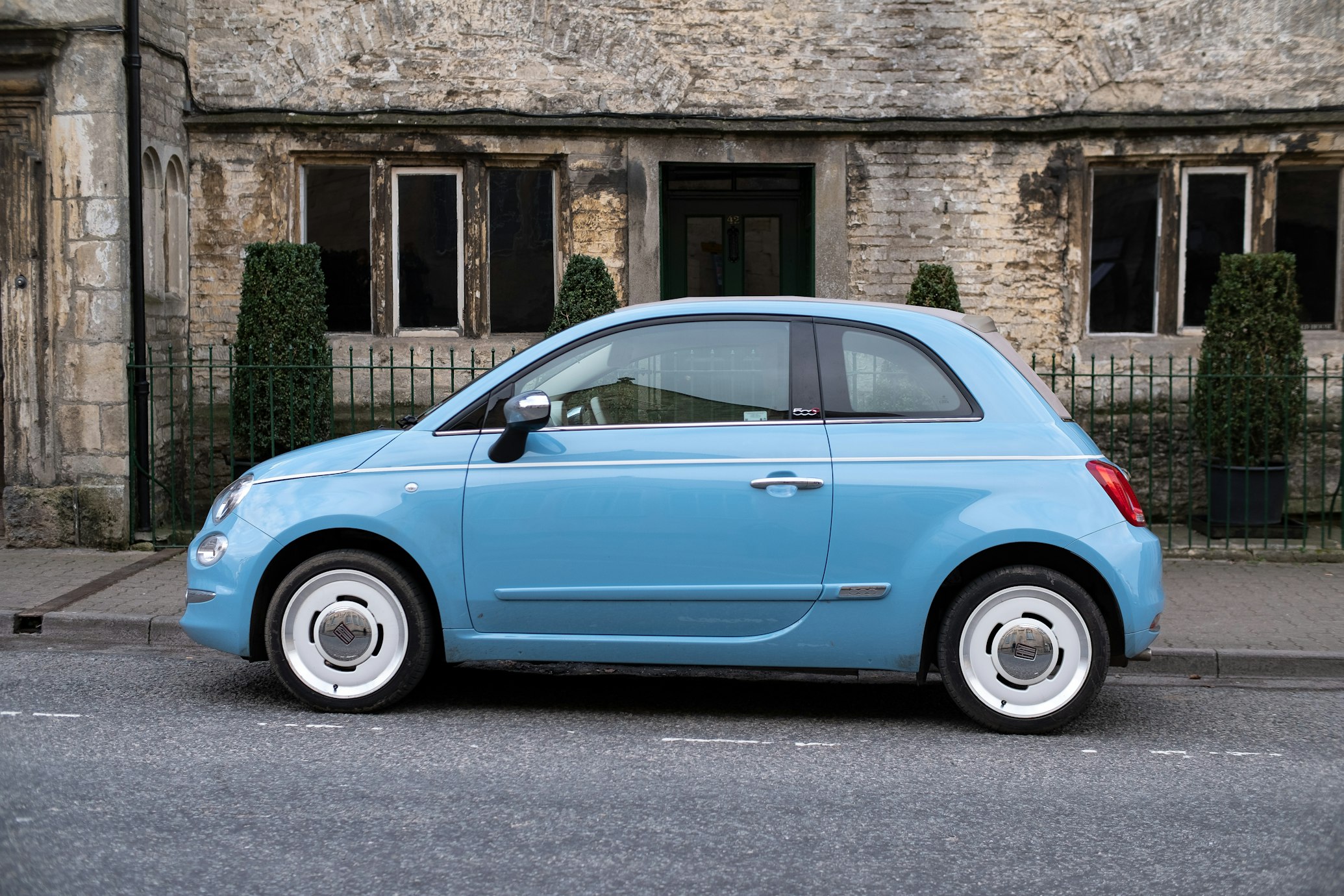
Being prepared with financing and research helps you act quickly when you find the right vehicle
Vehicle Depreciation Timing and Model Year Transitions
Vehicle depreciation has a pattern that smart buyers can use to their advantage. New model introductions, typically from August to October, affect used car prices throughout the year.
The Impact of New Model Releases on Pre-Owned Pricing
When new models arrive, previous year vehicles suddenly become less desirable. This is excellent news for used car buyers. A 2024 model with the same features as a 2025 can be found at significantly lower prices.
The biggest price drops happen in late summer (August-September) when new models arrive, early fall (October-November) when trade-ins flood the market, and year-end (December) when dealers clear remaining inventory.
Why One to Three Year Old Vehicles Represent Peak Value
New cars lose a lot of value in the first three years—up to 40-50% of their original value by year three. Vehicles one to three years old have absorbed most depreciation but still have plenty of life, modern features, and often remaining warranty coverage. Popular brands like used Ford vehicles, used Chevrolet models, and used Ram trucks offer excellent value in this sweet spot.
| Vehicle Age | Typical Depreciation | Example Savings (on $30,000 MSRP) |
|---|---|---|
| Year One | 20-30% | $6,000-$9,000 |
| Year Two | Additional 15-18% | $4,500-$5,400 more |
| Year Three | Additional 10-15% | Total savings: $13,500-$18,900 |
Virginia-Specific Timing Factors for the Roanoke and Pulaski Region
While national timing strategies are important, Virginia's regional factors offer additional opportunities for smart buyers. The Roanoke and Pulaski area has unique economic patterns that create special buying windows.
Local Economic Cycles and Buying Opportunities
Southwest Virginia's economy includes manufacturing, healthcare, education, and agriculture. Manufacturing and industrial jobs mean many people get bonuses in December and January, leading to more buying and trade-ins in late winter.
Virginia Tech and Radford University bring seasonal changes—May and June see graduating students creating trade-in opportunities, while December semester breaks make showrooms quieter for better deals.
Virginia Vehicle Inspection and Registration Timing
Virginia requires annual safety inspections for all vehicles. Cars with expiring inspections may be priced lower, creating opportunities for buyers. Ask about inspection status when shopping—cars recently inspected are more valuable, while cars with expiring inspections might be negotiable.
Why Duncan Suzuki's Pulaski Location Offers Year-Round Advantages
Our Pulaski location at 1001 East Main Street, Pulaski, VA 24301 serves Pulaski County and the Roanoke area with easy access from Interstate 81. We're known for transparency and fair pricing all year round. We also serve customers looking for used cars near Bluefield, WV.
Our comprehensive service department handles pre-purchase inspections, Virginia safety inspections, ongoing maintenance, and warranty service. Visit us or call (540) 980-6061 to experience the Duncan Suzuki difference.
Taking Action: What to Do Once You've Identified the Right Time
Knowing the right time to buy is only useful if you act on it. When you find the best time to buy, you need a solid plan to turn timing into a successful purchase.
Getting Your Finances and Trade-In Ready
Start by checking your credit score two weeks before shopping. Get pre-approved for financing—this gives you a starting interest rate and shows dealers you're serious. Make a budget that includes all costs: monthly payments, insurance, fuel, maintenance, and registration.
If you have a trade-in, gather your title, service records, and any warranty information. Clean your trade-in well, inside and out—a clean appearance can increase your trade-in value by hundreds of dollars.
Arranging a Thorough Vehicle Inspection
A professional inspection is crucial, no matter when you buy. Our certified technicians at Duncan Suzuki's service center offer detailed pre-purchase inspections. Schedule your inspection by visiting our website or calling (540) 980-6061.
Inspection Tip
The inspection results give you strong negotiation power. If we find issues, you can ask for repairs or negotiate a lower price. This turns the buying process into an informed decision rather than a guessing game.
Find Your Perfect Used Vehicle Today
Knowing the best time to buy a used car in Virginia can save you thousands. Look for sales during the end of the month, holidays, winter months, or when new models come out. Each timing window offers unique opportunities for savings.
At Duncan Suzuki, we have a wide range of quality used vehicles all year at our Pulaski location. Whether you're looking for a used Ford, used Chevrolet, or used Ram truck, we offer transparent pricing and top-notch service that goes beyond just selling cars. Our service center performs detailed inspections so you can trust your choice.
Visit us at 1001 East Main Street in Pulaski, VA 24301 to see our inventory. You can also book a service appointment or call us at (540) 980-6061. Timing is important, but finding a dealer who cares about you is even more crucial.