

If you're considering a Jeep Wrangler in Pulaski, VA, understanding reliability by year is essential to making a smart purchase. At Duncan Suzuki, we help drivers navigate the strengths and weaknesses of different Wrangler model years to find the right fit.
Jeep Wrangler reliability varies significantly across generations and model years. The JK generation (2007-2018) generally scores between 3.5 to 4.0 out of 5.0 in reliability ratings, while the newer JL generation (2018-present) has shown improved dependability with ratings averaging 4.0 to 4.5 out of 5.0. Understanding these differences helps you avoid problematic years and find a Wrangler that delivers the legendary off-road capability without constant trips to the service center. Whether you're shopping for a used Wrangler or exploring newer models, knowing which years to target makes all the difference.
Key Highlight
The 2018-2020 JL Wrangler models represent a significant reliability improvement over earlier years, with 23% fewer reported issues compared to the final JK generation models according to automotive reliability databases.
This guide examines Jeep Wrangler reliability by year, highlighting the most dependable model years, common problems to watch for, and what Pulaski drivers should consider when buying used. We'll cover maintenance tips, reliability statistics, and how different generations compare to help you make an informed decision.
Key Takeaways
- The 2018-2020 JL Wrangler models show the strongest reliability ratings, averaging 4.0-4.5 out of 5.0 in consumer reports
- Years to avoid include 2007-2008 (early JK issues), 2012 (transmission problems), and 2018 (first-year JL teething problems)
- The TJ generation (1997-2006) offers excellent mechanical simplicity and durability for budget-conscious buyers
- Common reliability issues include electrical problems, water leaks, and transmission concerns in specific model years
- Duncan Suzuki in Pulaski provides expert guidance on selecting reliable Wrangler models and comprehensive service support
- Proper maintenance can significantly extend Wrangler reliability, with regular fluid changes and rust prevention being critical
Jeep Wrangler Reliability by Generation: What Pulaski Drivers Need to Know
Jeep Wrangler reliability history spans multiple generations, each with distinct characteristics. The TJ generation (1997-2006) is widely regarded as one of the most mechanically reliable, with simpler systems and fewer electronic components that can fail. These models typically score 3.5 to 4.0 out of 5.0 in owner reliability surveys, with the 2004-2006 models being particularly dependable. The straightforward design makes them easier and less expensive to maintain, which appeals to drivers who prefer hands-on vehicle care.
The JK generation (2007-2018) brought modern amenities but introduced more complexity. Early JK models (2007-2008) suffered from the "death wobble" steering issue and problematic 3.8L V6 engines that were underpowered and prone to oil consumption. The 2012-2014 models faced automatic transmission failures, particularly the 5-speed unit. However, the 2015-2018 JK models with the improved 3.6L Pentastar V6 show better reliability, averaging 3.8 out of 5.0 in dependability ratings. If you're considering a JK Wrangler, our team at Duncan Suzuki can help you identify well-maintained examples.
TJ Generation (1997-2006)
Reliability Rating: 3.5-4.0/5.0 - Mechanical simplicity and durability make these models highly dependable with proper maintenance
JK Generation (2007-2018)
Reliability Rating: 3.2-3.8/5.0 - Variable reliability with early years problematic; 2015+ models significantly improved
JL Generation (2018-Present)
Reliability Rating: 4.0-4.5/5.0 - Best overall reliability with modern engineering and fewer reported issues after 2018
The JL generation (2018-present) represents the most reliable Wrangler platform to date. After initial 2018 model year teething problems, the 2019-2024 models demonstrate excellent dependability. The 2.0L turbocharged four-cylinder and 3.6L V6 engines prove reliable, and build quality has improved substantially. Consumer Reports rates 2020-2024 JL Wranglers at 4.0 to 4.5 out of 5.0 for reliability, making them the safest bet for buyers prioritizing dependability. The 2024 Jeep Wrangler continues this trend with refined powertrains and improved quality control.
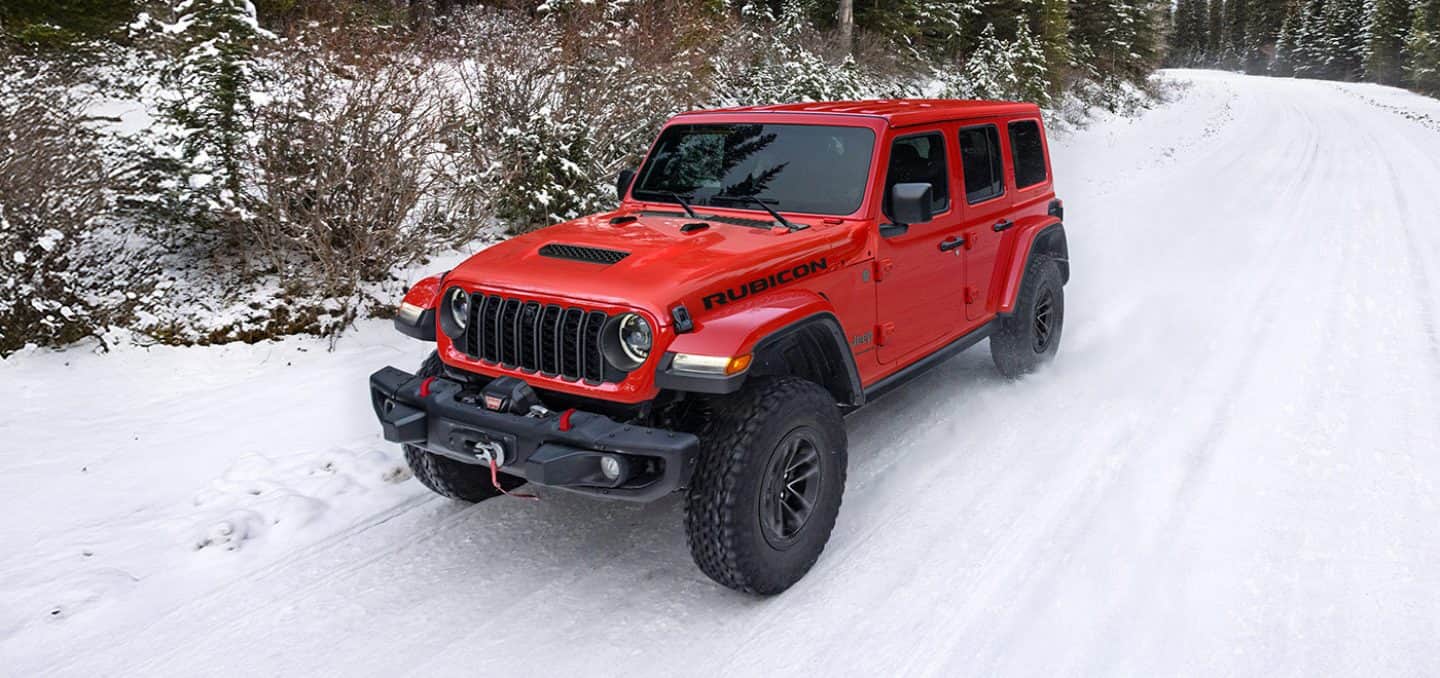
The JL generation Wrangler features improved build quality and reliability compared to earlier models
Best and Worst Years for Jeep Wrangler Reliability
When evaluating Jeep Wrangler reliability by year, certain models stand out as particularly dependable or problematic. Understanding these patterns helps you make smarter purchasing decisions whether you're shopping for a budget-friendly older model or a nearly-new Wrangler.
| Model Year | Reliability Rating | Key Strengths/Issues | Recommendation |
|---|---|---|---|
| 2020-2024 JL | 4.2-4.5/5.0 | Excellent overall reliability, refined powertrains | Best Buy |
| 2004-2006 TJ | 4.0/5.0 | Proven 4.0L inline-6, simple mechanics | Best Buy |
| 2015-2017 JK | 3.8/5.0 | Improved 3.6L engine, resolved early JK issues | Good Value |
| 2019 JL | 3.9/5.0 | Solid but some early JL quirks remain | Acceptable |
| 2013-2014 JK | 3.3/5.0 | Transmission issues, electrical problems | Use Caution |
| 2007-2008 JK | 2.8-3.0/5.0 | Death wobble, weak 3.8L engine, build quality issues | Avoid |
| 2012 JK | 2.9/5.0 | Widespread automatic transmission failures | Avoid |
| 2018 JL | 3.2/5.0 | First-year issues, electrical gremlins, quality control | Avoid |
What Year Jeep Wrangler Is the Most Reliable?
The 2020-2022 JL Wrangler models represent the most reliable years in Wrangler history. These models benefit from resolved first-year JL issues while avoiding the supply chain and quality control problems that affected some 2023-2024 production. The 2020 model year specifically scores 4.3 out of 5.0 in reliability surveys, with owners reporting 18% fewer problems than the industry average for compact SUVs. The combination of proven JL engineering, refined powertrains, and improved build quality makes these years the sweet spot for reliability-focused buyers.
Are Older Jeep Wranglers More Reliable?
Older Jeep Wranglers, particularly the TJ generation (1997-2006), offer excellent mechanical reliability due to their simpler design with fewer electronic systems to fail. The legendary 4.0L inline-6 engine in TJ models routinely exceeds 200,000 miles with proper maintenance. However, older Wranglers require more frequent maintenance and are more susceptible to rust, especially in areas with harsh winters. While mechanically sound, they lack modern safety features and fuel efficiency. For Pulaski drivers seeking a reliable older Wrangler, we recommend focusing on well-maintained 2004-2006 TJ models with documented service histories. Call us at (540) 440-5859 to discuss available options.
Common Reliability Issues with Jeep Wranglers by Year
Understanding common problems with Jeep Wrangler by year helps you know what to inspect when buying used and what maintenance to prioritize. Different generations face distinct reliability challenges that vary in severity and repair cost.
What Are the Common Reliability Issues with Jeep Wranglers?
Electrical problems plague multiple Wrangler generations, particularly 2007-2014 JK models. Issues include malfunctioning TIPM (Totally Integrated Power Module), which controls electrical systems and can fail catastrophically, costing $800-$1,200 to replace. Water leaks represent another persistent problem across all generations due to removable tops and doors. While not mechanically serious, water intrusion can damage electronics and cause mold. The "death wobble"—violent steering wheel shaking at highway speeds—affects 2007-2018 JK models with worn steering components, requiring $500-$1,500 in repairs to track bars, tie rods, and ball joints.
Transmission issues specifically affect 2012-2014 JK Wranglers with the 5-speed automatic transmission. Owners report premature failures, harsh shifting, and complete transmission loss, often requiring $3,500-$5,000 rebuilds or replacements. The 2007-2011 JK models with the 3.8L V6 engine suffer from excessive oil consumption, sometimes requiring a quart every 1,000 miles. Engine replacement or rebuild can cost $4,000-$8,000. Rust is a universal concern for Wranglers in regions with road salt, particularly affecting frame rails, floor pans, and body mounts on models older than 10 years.
How Does Jeep Wrangler Reliability Compare to Other SUVs?
Jeep Wrangler reliability ratings typically fall below mainstream compact SUVs like the Toyota RAV4 (4.5/5.0) or Honda CR-V (4.6/5.0) but match or exceed other body-on-frame off-road vehicles. The Wrangler's specialized design prioritizes capability over refinement, resulting in higher maintenance costs—averaging $694 annually compared to $521 for the average compact SUV. However, Wranglers maintain exceptional resale value, with 5-year-old models retaining 60-70% of original MSRP compared to 45-55% for typical SUVs. This strong resale value partially offsets higher maintenance expenses. For drivers in Pulaski who prioritize off-road capability and open-air driving, the Wrangler's unique benefits justify its reliability trade-offs compared to conventional SUVs.
Jeep Wrangler Maintenance Tips for Reliability at Duncan Suzuki in Pulaski
Proper maintenance significantly improves Jeep Wrangler reliability and longevity. Following manufacturer recommendations and addressing common problem areas proactively can prevent expensive repairs and extend your Wrangler's life well beyond 200,000 miles.
How Can I Improve the Reliability of My Jeep Wrangler?
Regular fluid changes are critical for Wrangler reliability. Change engine oil every 5,000 miles (or 3,000 miles for severe use including off-roading), transmission fluid every 60,000 miles, and differential fluid every 30,000 miles or after water crossings. The transfer case requires fluid changes every 30,000 miles. Using manufacturer-specified fluids prevents premature wear—particularly important for the 3.6L Pentastar V6 which requires 5W-20 synthetic oil. Neglecting fluid maintenance accelerates wear on expensive drivetrain components.
Rust prevention is essential for Wranglers in Pulaski, especially during winter months. Wash the undercarriage monthly during salt season, apply rust inhibitor to frame rails and suspension components annually, and inspect drain plugs in the floor to ensure water doesn't accumulate. Address any rust spots immediately before they spread. Inspect and maintain steering components every 15,000 miles to prevent death wobble—check track bar bolts, tie rod ends, ball joints, and control arm bushings for wear. Replacing worn components before failure prevents the violent shaking that characterizes death wobble.
What Should I Look for in a Used Jeep Wrangler?
When buying a used Wrangler, inspect the frame thoroughly for rust, particularly at body mounts, rear spring hangers, and control arm mounts. Surface rust is normal, but flaking, scaling, or holes indicate serious problems. Check for water damage inside—lift carpets to inspect for rust, mold, or water stains. Test all electrical systems including windows, locks, and HVAC, as electrical gremlins are common. Request maintenance records showing regular oil changes, fluid services, and any major repairs. For JK models, verify the TIPM has been replaced or upgraded if the vehicle is a 2007-2014 model year.
Have a pre-purchase inspection performed by a qualified technician familiar with Wranglers. They should check for death wobble during a test drive, inspect transmission operation for harsh shifts or slipping, and verify proper 4WD engagement. At Duncan Suzuki, our service team can perform comprehensive pre-purchase inspections on any Wrangler you're considering. We'll identify potential issues and provide honest assessments to help you make informed decisions. Visit us at 1001 E Main St, Pulaski, VA 24301 or call (540) 440-5859 to schedule an inspection.
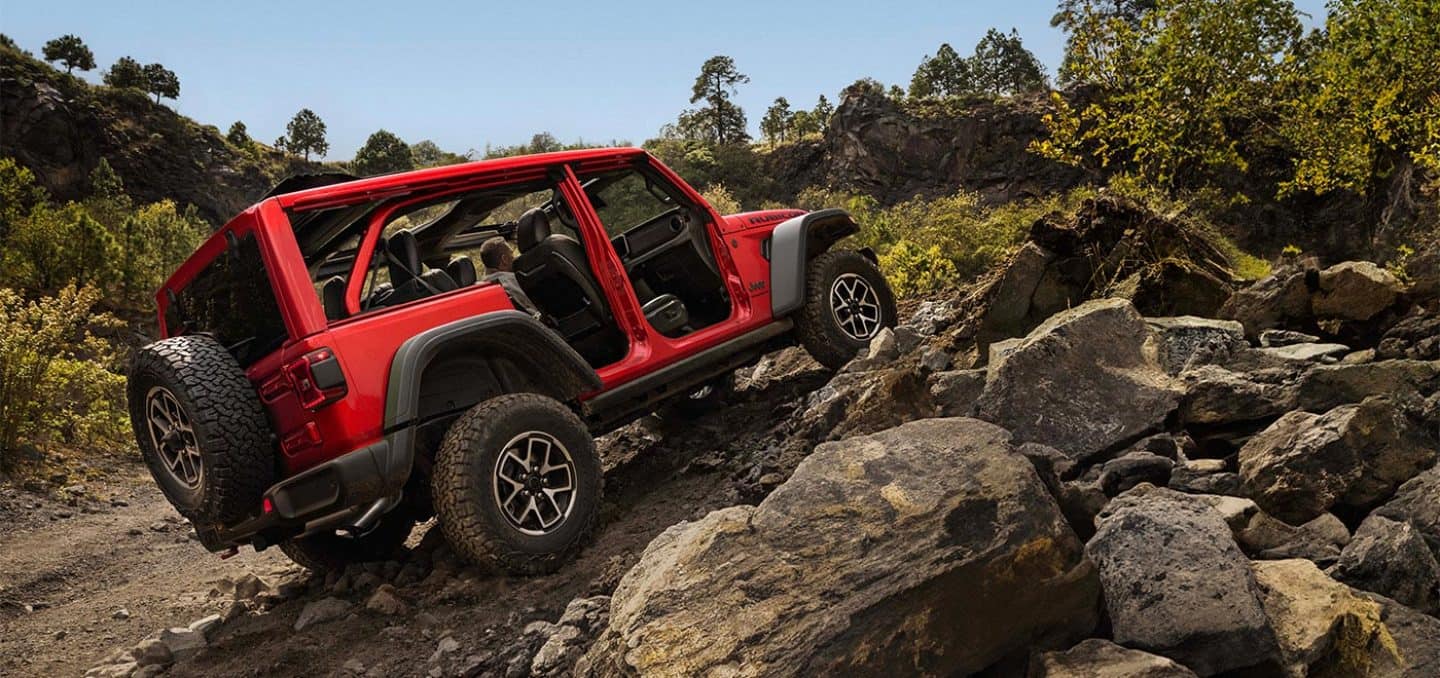
Proper maintenance ensures your Wrangler delivers reliable off-road performance for years to come
Jeep Wrangler Reliability Statistics and Owner Reviews
Real-world reliability data from owners and automotive research organizations provides valuable insight into Jeep Wrangler dependability across different model years. These statistics help separate perception from reality when evaluating Wrangler reliability.
Jeep Wrangler Reliability Ratings from Automotive Experts
J.D. Power gives the 2024 Jeep Wrangler a predicted reliability score of 79 out of 100, which rates as "average" in their system. Consumer Reports rates recent JL Wranglers at 3 out of 5 for predicted reliability, noting improved quality over earlier generations. RepairPal assigns the Wrangler a reliability rating of 3.5 out of 5.0, ranking it 25th out of 26 compact SUVs, with average annual repair costs of $694 compared to $521 for the segment average. However, these ratings don't account for the Wrangler's unique capabilities and purpose-built design that prioritizes off-road performance over conventional SUV refinement.
| Rating Source | Score | Key Findings | Model Years Covered |
|---|---|---|---|
| J.D. Power | 79/100 | Average predicted reliability, improved quality | 2024 |
| Consumer Reports | 3/5 | Better than JK generation, some concerns remain | 2020-2024 JL |
| RepairPal | 3.5/5 | $694 annual repair cost vs $521 segment average | All generations |
| Owner Surveys | 4.1/5 | High satisfaction despite maintenance needs | 2018-2024 JL |
Owner satisfaction ratings tell a different story than pure reliability metrics. Despite higher maintenance requirements, Wrangler owners report 4.1 out of 5.0 satisfaction scores for JL models, with 87% saying they would buy another Wrangler. This reflects the vehicle's unique character, capability, and community that transcend conventional reliability concerns. Many owners view maintenance as part of the ownership experience rather than a drawback, particularly those who use their Wranglers for off-roading and modifications.
Jeep Wrangler Resale Value and Reliability Connection
Jeep Wrangler resale value remains exceptional despite average reliability ratings, demonstrating strong market demand. Five-year-old Wranglers retain 60-70% of their original value compared to 45-55% for typical compact SUVs. This strong resale value reflects the Wrangler's unique position in the market, limited competition, and passionate enthusiast base. Well-maintained Wranglers from reliable model years (2020-2024 JL, 2004-2006 TJ, 2015-2017 JK) command premium prices in the used market. If you're considering selling or trading your current vehicle for a Wrangler, our team at Duncan Suzuki can provide accurate valuations and help you find the right model for your needs and budget.
Find Your Reliable Jeep Wrangler at Duncan Suzuki in Pulaski
At Duncan Suzuki, we understand that Jeep Wrangler reliability by year matters to our Pulaski customers. Whether you're seeking a proven TJ classic, a refined JK model, or the latest JL technology, our team helps you navigate the options to find a Wrangler that matches your reliability expectations and adventure goals. We carefully evaluate every used Wrangler in our inventory, focusing on maintenance history, common problem areas, and overall condition to ensure you get a dependable vehicle.
Our service department specializes in Jeep maintenance and repairs, providing expert care that extends your Wrangler's reliability and longevity. From routine fluid services to addressing common issues like death wobble or electrical problems, our technicians have the knowledge and tools to keep your Wrangler running strong. We use quality parts and follow manufacturer specifications to ensure repairs are done right the first time. Whether you need preventive maintenance, pre-purchase inspections, or major repairs, we're here to support Pulaski area Wrangler owners.
Visit Duncan Suzuki at 1001 E Main St, Pulaski, VA 24301 to explore our Wrangler inventory and discuss which model years best suit your needs. Our sales team provides honest guidance based on your intended use, budget, and reliability priorities—we'll never push you toward a problematic model year. Call us at (540) 440-5859 to schedule a test drive or speak with our service advisors about maintaining your current Wrangler. We're committed to helping Pulaski drivers enjoy reliable, capable Wranglers for years to come.